
Reclaiming Docklands, a six-part series: Part 4
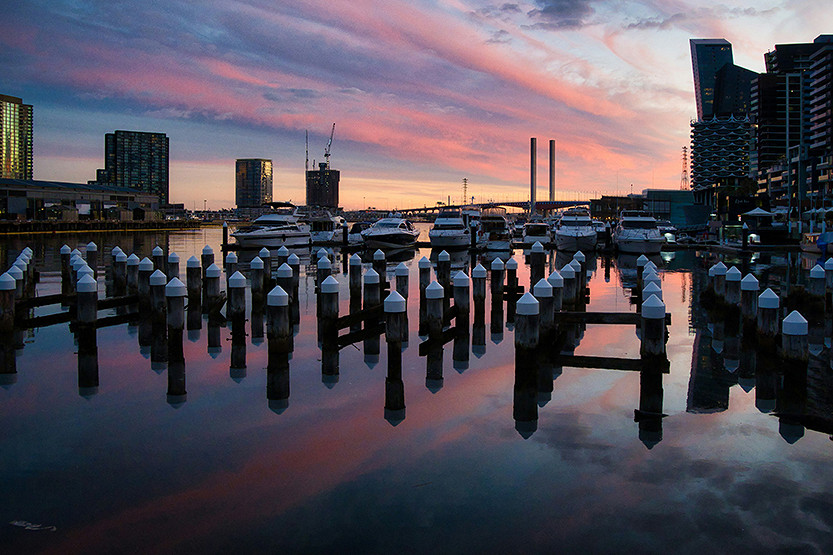
Part 4: Disconnected by design: the fight for a cohesive neighbourhood.
For a suburb with thousands of residents, Docklands still struggles to feel like a neighbourhood.
It’s not for lack of people. Or potential. It’s not even for lack of events. From fireworks on New Year’s Eve to the recent Firelight Festival, there’s no shortage of moments when the precinct comes alive: brief flashes of activity, colour, and community.
But moments aren’t movements. And in Docklands, we continue to mistake activation for cohesion.
It’s because we lack connection, and the structures and spirit that help build it.
The recent Firelight Festival once again lit up our waterfront and reminded us of the beauty and possibility of Docklands at its best. Crowds gathered, lights shimmered across the Yarra, and the precinct buzzed with life. But the day after the festivities, the question remained: what happens when the lights go out?
A neighbourhood isn’t built in bursts. It’s built in the everyday. The local. The lived-in. And that’s where Docklands is being let down, from both above and within.
On one side of the coin is the slow disappearance of civic infrastructure. Since the 2022 Docklands Summit, the momentum has stalled. Promises of community-led engagement and neighbourhood partnerships have since stalled. The Docklands Stakeholder Group was dissolved. No community centre has been established. No funded governance structure has taken its place. Community3008 Inc. continues to hold the space, but with no resourcing, its capacity is stretched thin (hint-hint: go join and take part!).
But the other side of the coin is equally challenging – and more uncomfortable to name.
Too many people pass through Docklands without planting roots. Some landlords treat apartments like safety deposit boxes. Some residents treat the neighbourhood like a short-term address, not a long-term investment. Even some businesses operate as if Docklands is just a footnote to the CBD, rather than a place with its own identity, needs, and future.
We cannot outsource belonging. A neighbourhood is built by the people who show up for it – every day.
If we want Docklands to feel like a neighbourhood, we must start treating it like one.
That means turning up for more than events. It means knowing your neighbours. It means backing local traders, joining your building’s body corporate, attending a community meeting, or even just picking up rubbish when you see it. These acts may seem small, but connection grows through habits, not headlines.
The council absolutely has a role to play. So does Development Victoria. But so do we.
Disconnection is not just a failure of policy; it’s a failure of care. And that care must come from both directions: from institutions, yes, but also from the people who live, work, and move through Docklands every day.
There are signs of hope. Local groups like Docklands Representative Group and Community3008 Inc. are working hard to keep the community connected. New businesses are trying to create welcoming spaces. Parents are building friendships at local parks. Artists, walkers, and residents are reimagining public space in subtle, joyful ways.
This is what real placemaking looks like: not fireworks, but follow-up. Not just activation, but accountability. Not just city-led, but community-made.
If we want a better Docklands, we can’t wait for someone else to create it. We all have a part to play – no matter how large or small. My challenge to you is start today and be an active member of our community.
Next time, we’ll look at how Docklands was sidelined in Melbourne’s post-pandemic recovery, and why rebalancing investment and focus isn’t just fair, it’s urgent. •
Jamal Hakim is a Docklands resident and former City of Melbourne councillor. You can reach him on Instagram @thejamalhakim or LinkedIn, or at the local cafe.
Related Articles
Reclaiming Docklands: A six-part series - part six
Part six. The future is here: Docklands as a family-first, community-led neighbourhood.
Read More
Reclaiming Docklands: A six-part series, part five
Part 5 – Abandoned at the edge: When “recovery” leaves the community behind.
Read More
Reclaiming Docklands: Part 3
Participation without power: what happened to Docklands’ community voice?
Read More
Dom Dolla sellout delivers another boost for Docklands
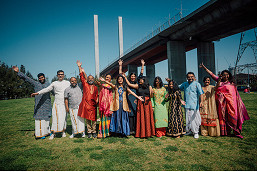
Little India precinct debate puts Docklands’ future in sharper focus

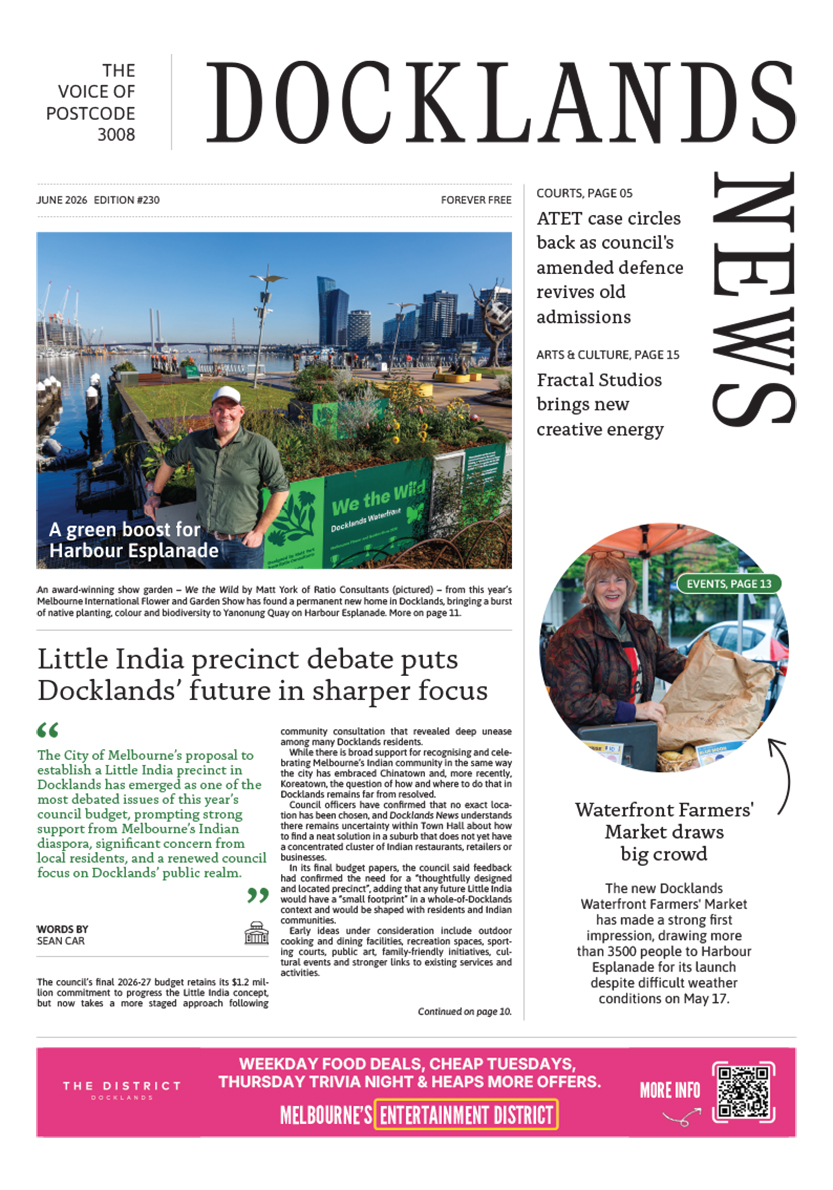 Download the Latest Edition