
Little India precinct debate puts Docklands’ future in sharper focus
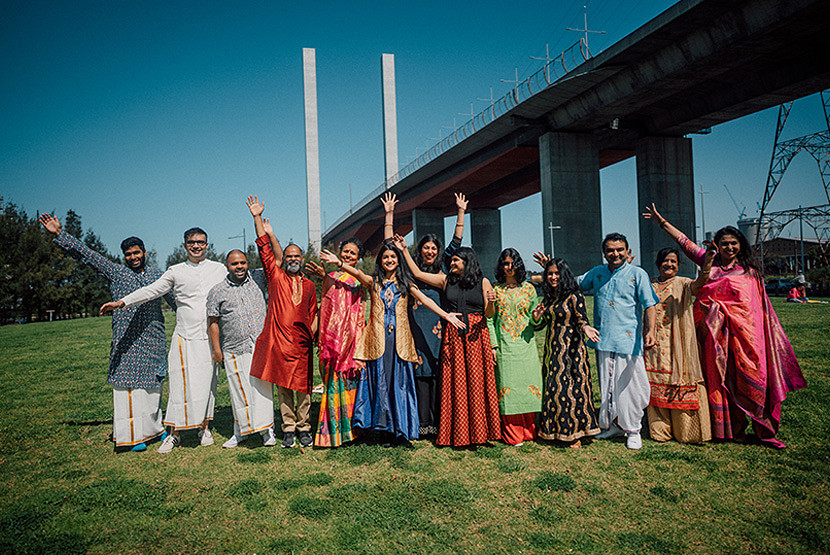

The City of Melbourne’s proposal to establish a Little India precinct in Docklands has emerged as one of the most debated issues of this year’s council budget, prompting strong support from Melbourne’s Indian diaspora, significant concern from local residents, and a renewed council focus on Docklands’ public realm.
The council’s final 2026-27 budget retains its $1.2 million commitment to progress the Little India concept, but now takes a more staged approach following community consultation that revealed deep unease among many Docklands residents.
While there is broad support for recognising and celebrating Melbourne’s Indian community in the same way the city has embraced Chinatown and, more recently, Koreatown, the question of how and where to do that in Docklands remains far from resolved.
Council officers have confirmed that no exact location has been chosen, and Docklands News understands there remains uncertainty within Town Hall about how to find a neat solution in a suburb that does not yet have a concentrated cluster of Indian restaurants, retailers or businesses.
In its final budget papers, the council said feedback had confirmed the need for a “thoughtfully designed and located precinct”, adding that any future Little India would have a “small footprint” in a whole-of-Docklands context and would be shaped with residents and Indian communities.
Early ideas under consideration include outdoor cooking and dining facilities, recreation spaces, sporting courts, public art, family-friendly initiatives, cultural events and stronger links to existing services and activities.
At the May 12 budget submissions hearing, council management said the first stages would include trial activations “to ensure we get the balance right”, while acknowledging the need to protect resident amenity and ensure local community benefit.
The council has also repositioned Little India under its “Vibrant and creative Melbourne” priority, rather than treating it simply as a Docklands infrastructure project.
But the debate has exposed a broader tension. Many Docklanders argue the suburb’s urgent needs are not branding, signage or events, but greening, shade, wind mitigation, public realm upgrades, harbour maintenance, family infrastructure, cleanliness and better open space.
The council’s own budget consultation summary noted that while a minority of submissions supported Little India in Docklands and saw the opportunities it offered, the majority expressed caution about a single-theme precinct, citing risks around multicultural identity, top-down delivery, service diversion, and social and economic impacts.
The same summary said feedback raised a desire for Docklands to be treated as a residential neighbourhood with family and community amenity, rather than primarily as an events precinct.
One opposing submission argued that while multicultural recognition was important, the proposed allocation risked diverting money from more pressing liveability issues.
The submitter said Docklands continued to face “severe wind tunnel conditions, poor pedestrian comfort, a lack of greenery and shade, wide roads, and inactive streetscapes”, and argued that cultural precincts should emerge organically through community engagement, small businesses and lived experience.
That sentiment has been echoed by many residents, who remain frustrated that $1.2 million has been set aside to keep progressing Little India while Docklands still waits for long-promised public realm improvements.
In response, the council has now added a new key activity to “address infrastructure and amenity opportunities at Docklands” under its “Building a city for people” priority.
It has also committed to finalising the Docklands Public Realm Improvements Plan, which will review streets, promenades, lighting, wayfinding, parks and open spaces; identify future upgrade opportunities; present ideas for creative place activation, and guide future investment, partnerships and capital works.
The council has further pointed to ongoing maintenance works, including $2 million in the budget to rehabilitate piles along sections of NewQuay Promenade.
A City of Melbourne spokesperson said the council was “currently undertaking work to investigate and rehabilitate piles along sections of NewQuay Promenade in Docklands”.
“These works will help keep this prized waterfront asset safe, functional and accessible for businesses, residents and Melbourne’s boating community,” the spokesperson said.
For supporters of Little India, however, the project remains an overdue opportunity to give one of Melbourne’s largest and fastest-growing communities a visible civic home.
At the May 12 hearing, Federation of Indian Associations of Victoria president Vasan Srinivasan described the $1.2 million allocation as a “positive and historic beginning”, but said a world-class precinct would ultimately require a far larger investment of between $5 million and $10 million.
“This is not simply signage, declarations or festivals,” he said. “This is about creating a permanent cultural, tourism, business and community destination that will benefit all Victorians and Australians.”
Australian India Business Council representative Prakash Gupta also backed the proposal, saying a dedicated Little India would create a vibrant economic hub, strengthen cultural ties between Australia and India, and give the next generation of Indian Australians “a place to be seen, celebrated and at home”.
But since the funding announcement, the public debate has also taken an ugly turn, with some members of the Indian community subjected to racist commentary over the proposal.
That racism has added another layer of sensitivity to an already complex discussion. The challenge for the council now is to ensure legitimate concerns about planning, spending and local amenity are not allowed to become cover for hostility towards Melbourne’s Indian community.
The Little India idea is not dead, but nor is it straightforward.
For Docklands, the debate has forced a much larger conversation about what kind of place the suburb is becoming, who gets to shape its identity, and whether cultural activation can succeed without first fixing the public spaces around it.
The council’s staged approach may give it time to answer those questions. But with both residents and the Indian community watching closely, the next phase will need more than a budget line. It will need trust, detail and a location that makes sense. •
Related Articles
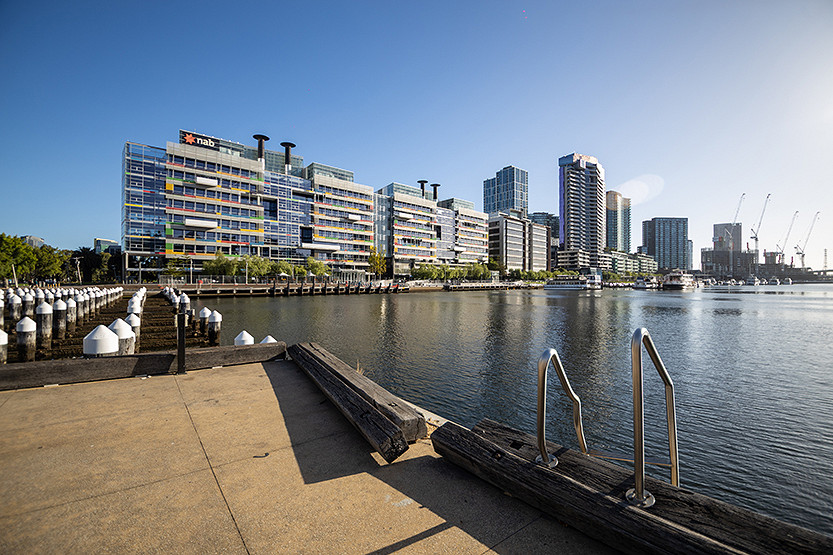
Docklands gaps exposed in council infrastructure plan
Docklands and its surrounding urban renewal areas face significant gaps in community infrastructure as population growth continues to place pressure on schools, open space, sportsgrounds, early years services and flexible community facilities.
Read More
City of Melbourne chief Alison Leighton to take leave as acting CEO appointed
City of Melbourne councillors have endorsed the council’s general manager of infrastructure and amenity, Rick Kwasek, as acting chief executive officer for a six-week period from June 26 to August 7 while CEO Alison Leighton is on leave.
Read More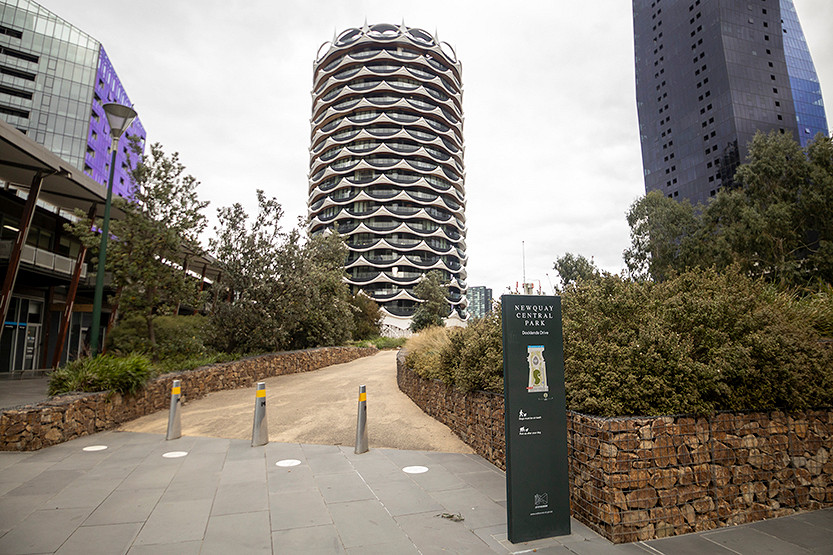
Council backs Little India vision for Docklands with $1.2 million budget commitment
The City of Melbourne has taken its clearest step yet towards establishing a Little India precinct in Docklands, with more than $1.2 million allocated in the draft 2026-27 budget to progress the proposal through infrastructure, public realm upgrades, creative projects and events.
Read More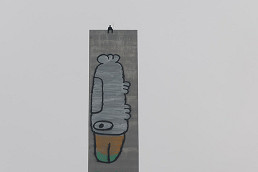
Pam the Bird disappears from Bolte Bridge following chaotic Docklands scenes

Meals with Impact launches free Docklands food market

 Download the Latest Edition