
MV Steve Irwin returns to Docklands as Ship 4 Good brings new life to Victoria Harbour
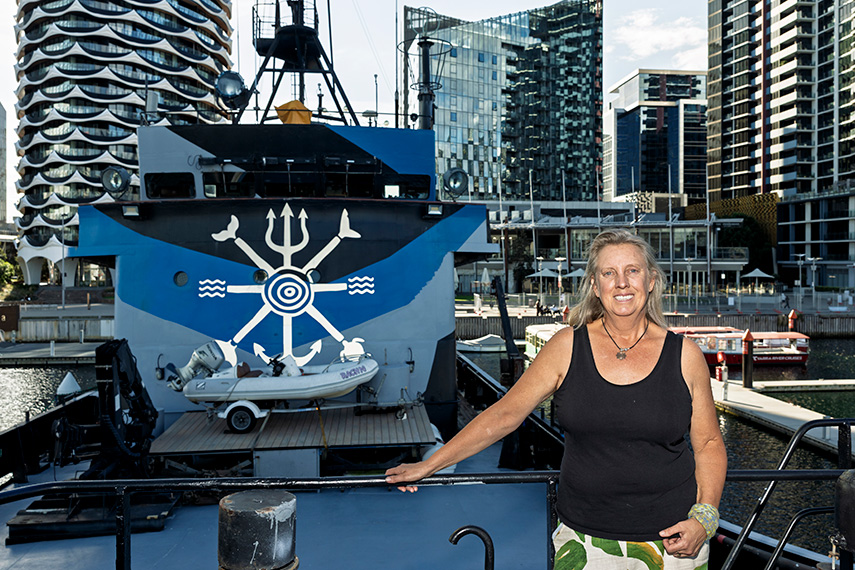
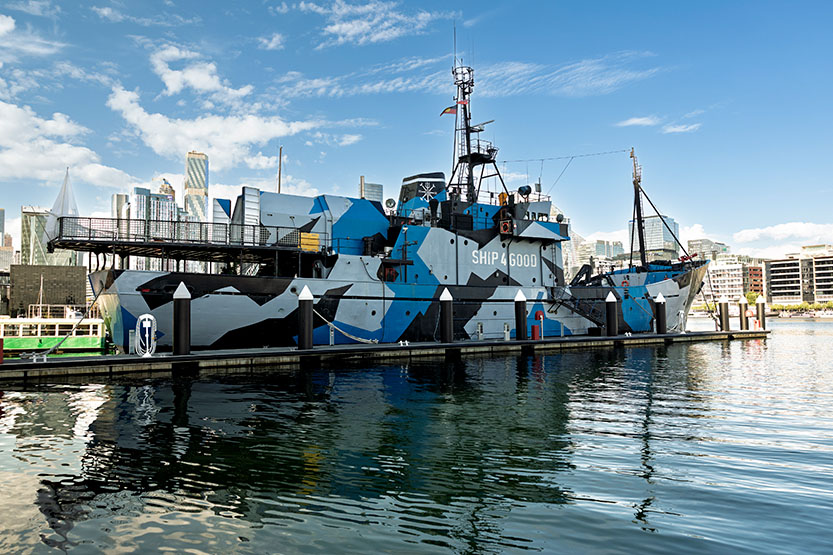
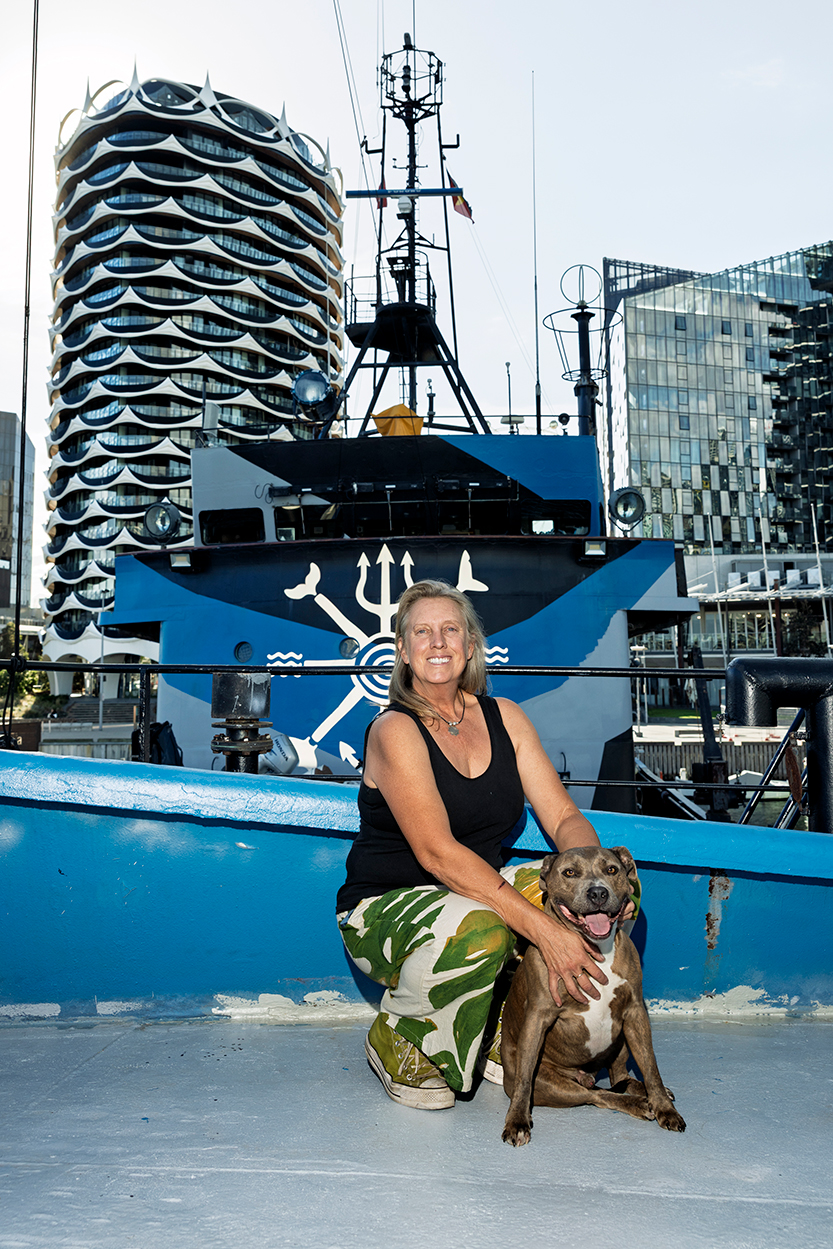

One of the world’s most recognisable conservation vessels has returned to Docklands, with the famous MV Steve Irwin now berthed in Victoria Harbour for a new chapter focused on community access, education and activation
Now operating under the banner “Ship 4 Good”, the vessel is owned by Kerrie Goodall, who told Docklands News she had effectively rescued the ship from the scrapyard and was determined to give it a second life in Melbourne.
For Docklands, the arrival is more than a curiosity. It is exactly the kind of large-scale maritime presence Victoria Harbour was designed to host, and a timely reminder of what the precinct’s deep-water harbour can still offer when it is used well.
The Steve Irwin is best known for its decade of anti-whaling campaigns in the Southern Ocean, where it was operated by the global conservation movement founded by Captain Paul Watson. During that time, the ship became a symbol of direct-action environmentalism and gained international fame through Whale Wars, with campaigns aimed at disrupting illegal whaling and protecting marine life.
According to Ms Goodall, the vessel helped save more than 6000 whales.
“It’s a very important vessel to commemorate what can be done by determined people to protect the environment,” she said.
“It’s a great story of resilience and courage and hope and imagination.”
Ms Goodall has owned the ship for seven years, though she said that was never originally the plan. She had first secured a lease arrangement to create a pop-up museum celebrating the conservation achievements associated with the vessel, which successfully operated in Docklands during the summer of 2019.
However, what followed was a far more difficult journey.
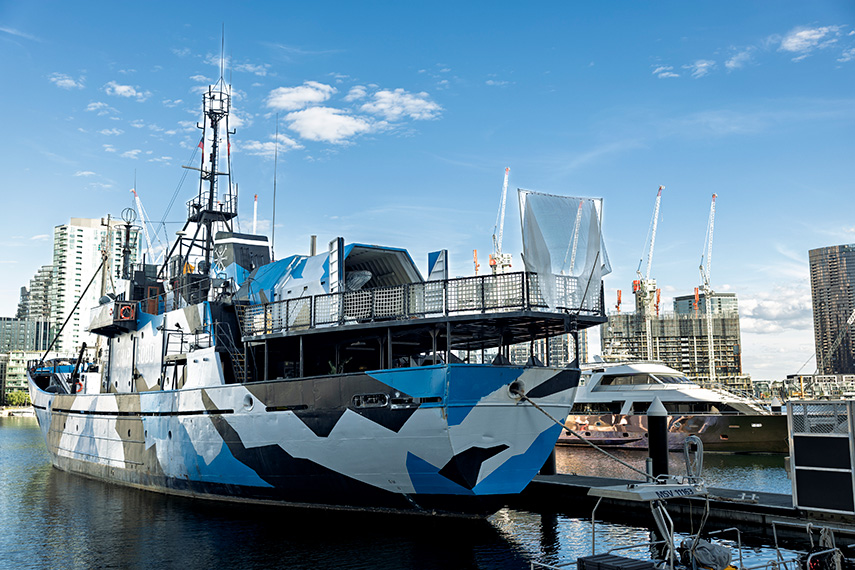
She said the ship was eventually left without the support she had expected, COVID intervened, and the infrastructure where the ship had been berthed was later condemned, forcing it to be moved under tow to Newcastle.
There, she and her dog lived aboard the vessel for four years while working to restore it.
“It was deemed as scrap when I took it on and now it’s a functional vessel,” she said.
With the help of engineers, including former crew members who had served on its Antarctic campaigns, the Steve Irwin was recently brought back to life and sailed under its own power to Melbourne for the first time in seven years.
That alone is a remarkable story. But the next phase may be just as important for Docklands.
Ms Goodall said the ship would be opened up to the public over the coming months through curated tours, projection shows, art installations and events, all designed to reconnect people with the vessel’s history and inspire a new generation around ocean conservation.
Visitors will be able to tour the ship with Bluetooth audio and QR-linked content, view campaign images and footage, and learn more about its history through art and interpretation. A resident artist, Victor Holder, has also created a digital animated projection work, SEAing is Believing, telling the story of the ship’s Antarctic campaigns.
Importantly, some of those activations will spill out beyond the ship itself. Evening projection shows will be visible from the promenade, with silent cinema headphones offered so audiences can experience the work without disturbing nearby residents.
“We appreciate this is a high-density residential area. We want to be respectful for residents and businesses,” Ms Goodall said.
“So, it’s all low impact. We’ve gone to a lot of trouble to come up with some unique ways to entertain people and educate and inspire.”
That approach feels especially valuable in Docklands at a time when the precinct has been crying out for more authentic waterfront activity.
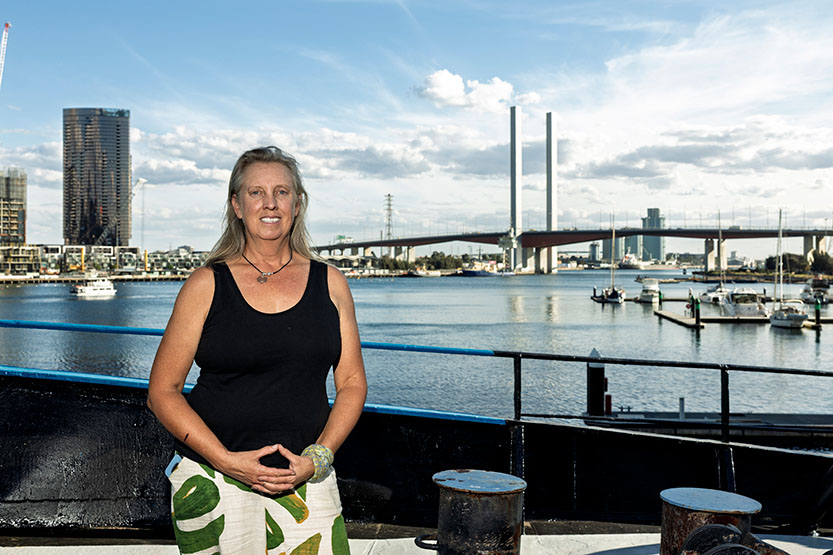
In recent years, the area has too often struggled to make full use of its maritime setting. That has been made even more stark by the recent loss of Docklands’ heritage fleet from North Wharf after Development Victoria pushed the vessels out of the precinct. Against that scenario, the arrival of a ship like the Steve Irwin is a reminder that Victoria Harbour is not just a backdrop, but a working deep-water harbour capable of hosting vessels that bring history, spectacle and public life.
It is also worth remembering that this was precisely the logic behind a 2021 City of Melbourne budget investment of $1.9 million to replace the large vessels berth at Melbourne City Marina, with the stated aim of allowing ships to dock for public displays.
Docklands was built for this.
And while the Steve Irwin may only be here for a limited period before further works in Tasmania and possible touring elsewhere, Ms Goodall said her hope was ultimately to secure a longer-term home port in Melbourne that would allow the ship to spend up to 10 months a year here.
For now, Docklands has the chance to embrace something it should be seeing much more of: a major ship with a real story, opened up to the public, adding meaning and energy to the waterfront. •
Related Articles
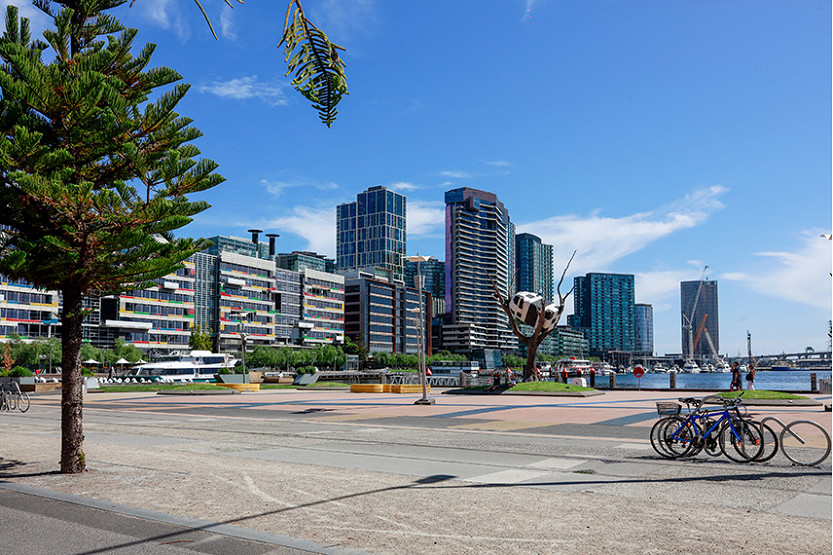
Harbour Esplanade to feature in 220km Birrarung walk
A long-term plan for a 220km “whole-of-river” walking trail along the Yarra, or Birrarung, will take walkers through Docklands and along Harbour Esplanade as part of a major new route connecting the river’s lower reaches to the Upper Yarra Reservoir.
Read More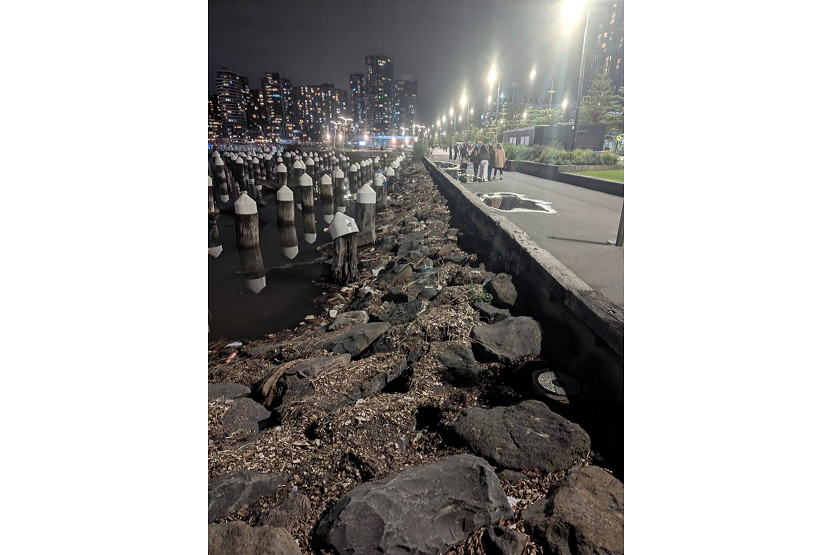
Stopping rubbish entering Victoria Harbour
While battling environment ministers and government departments, it can be easy to lose sight of the issue at hand.
Read More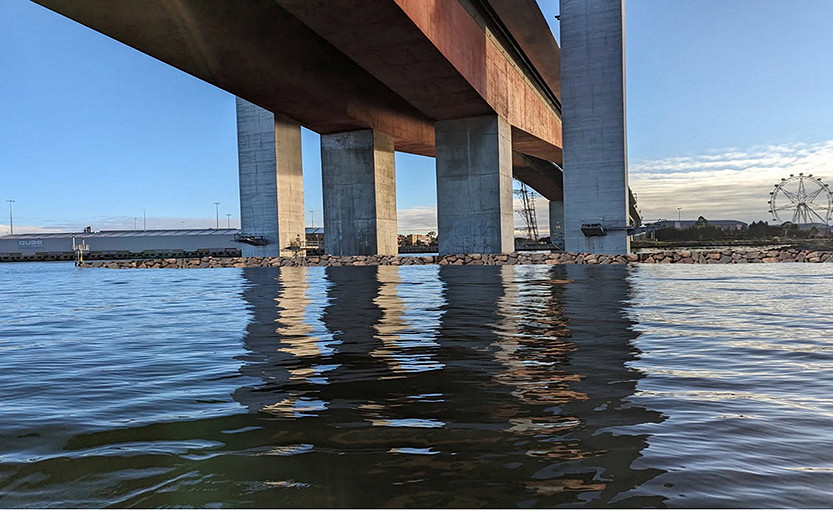
Preventing litter from entering Victoria Harbour
Incremental steps have been achieved since my May update, although the results have again not been as prompt as I would have liked.
Read More
From one café client to 60 brands: The growth of Born Social

Tram bridge to E-Gate still possible despite West Gate Tunnel fears

 Download the Latest Edition