
City of Melbourne veers back into nuclear debate ahead of national conference
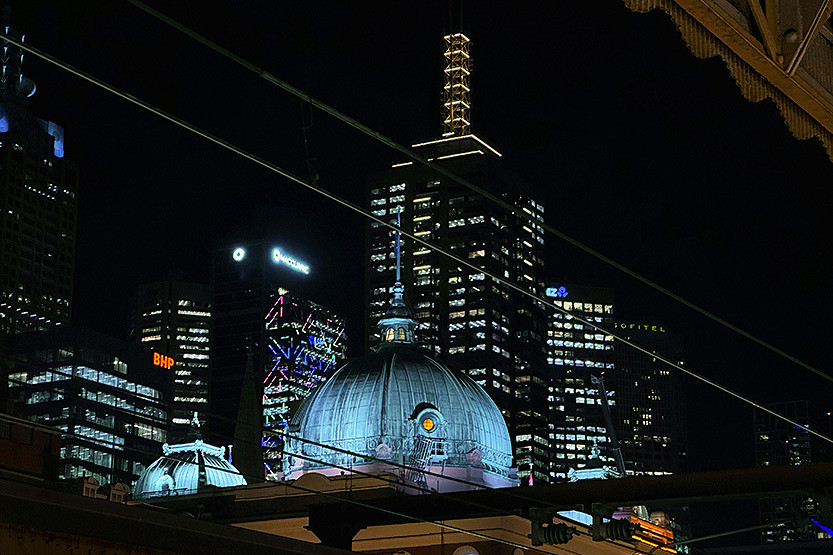

Melbourne councillors have voted to back a suite of motions to be put to the Australian Local Government Association (ALGA) National General Assembly in Canberra this June – including renewed calls for Australia to sign the UN Treaty on the Prohibition of Nuclear Weapons.
The February 24 debate covered four proposed motions: a review of capital city productivity and governance; a national framework for responsible AI and data centre infrastructure; support for the National Anti-Racism Framework; and reaffirmation of ALGA’s longstanding position in favour of nuclear disarmament.
The Lord Mayor described the annual gathering as “our opportunity once a year to shape the national conversation, not just respond to it”, arguing that capital cities – which generate the bulk of Australia’s GDP – needed governance and funding models that reflect their economic weight.
On artificial intelligence and data centres, he said national coordination was essential to ensure best-practice energy use, water management and sustainability standards as AI infrastructure expands rapidly across Australia.
Few would dispute that AI, productivity and anti-racism are squarely within the sphere of public policy that affects local government operations. It was the nuclear disarmament motion, however, that prompted the most spirited exchange.
Cr Dr Olivia Ball spoke at length in support of the motion, recounting Melbourne’s history as a self-declared nuclear-free city and the role of the International Campaign to Abolish Nuclear Weapons (ICAN), founded in Melbourne and awarded the 2017 Nobel Peace Prize. She argued that nuclear weapons are “emphatically a local government issue”, listing the functions councils would be forced to manage in the event of a nuclear attack – from roads and evacuations to waste, sanitation and mass burials.
Her description of the potential fallout was vivid and detailed, prompting Cr Owen Guest to push back.
I do feel the third one regarding nuclear is one of the first things when you hear criticism of not just the Melbourne City Council but councils in general, you’ll hear from people in the street going, ‘what the hell is the council getting involved for issues like this?’, he said.
Cr Guest said that while he supported “75 per cent” of the package – particularly the productivity and AI components – the nuclear motion risked making the council look like “dills”.
“It’s a tough pill to swallow for Melbourne’s ratepayers,” he said, arguing the council should remain focused on local issues.
Other councillors defended the broader advocacy role of capital city councils. Cr Andrew Rowse noted that ALGA was where councils from across the country agree on a national advocacy agenda to take to federal government, covering housing, infrastructure, disaster relief, cybersecurity and more.
“If you’re not at the table, you are on the agenda,” he said.
The Lord Mayor used his right of reply to reiterate Melbourne’s historic links to ICAN and to correct what he described as a mischaracterisation of last year’s budget. Cr Guest had referenced the council not honouring its “rates freeze”, which in practice involved increasing rates by three per cent in line with the state cap and then rebating that increase – a move critics last year described as preserving the higher base for future increases.
Ultimately, the amended motion was carried unanimously, although Cr Guest indicated he only supported “three quarters” of it.
The second part of the item – nominating councillors to attend the Canberra conference – also passed, with Cr Mark Scott, Cr Andrew Rowse and the Lord Mayor set to represent Melbourne. Councillors were required to declare conflicts before the vote.
Attendance at the June conference will cost ratepayers approximately $3600 per head, not including ancillary expenses. ALGA’s annual assembly, while a high-profile gathering of local government leaders, is largely symbolic in nature and serves as the association’s primary revenue source through registrations.
The latest debate also echoes last August’s lengthy council discussion marking the 80th anniversary of the atomic bombings of Hiroshima and Nagasaki, where councillors again wrestled with whether urging the federal government to sign the UN Treaty on the Prohibition of Nuclear Weapons fell within the City of Melbourne’s remit.
On that occasion, Cr Gladys Liu attempted to strip out the call for the Lord Mayor and CEO to write to federal ministers, arguing the issue had “no direct relevance to the people of Melbourne”, while Cr Owen Guest warned against “pestering” Canberra and urged councillors to “get back to the basics”. The amendment failed, but not before nearly 40 minutes of debate that revived familiar tensions about the council’s role in international advocacy.
None of which is to say that Melbourne should not advocate for issues that matter nationally and globally. Local governments are, after all, on the frontline of disaster response, infrastructure delivery and social cohesion.
But as the debate demonstrated, there is a fine line between principled advocacy and performative politics. When discussion of nuclear apocalypse begins to rival potholes and playgrounds for airtime, it is perhaps fair to ask whether some motions could be resolved with a nod rather than a lecture.
Still, in the end, councillors of all stripes agreed to send Melbourne’s voice to Canberra – cold weather and all. •
Related Articles
Docklands gaps exposed in council infrastructure plan
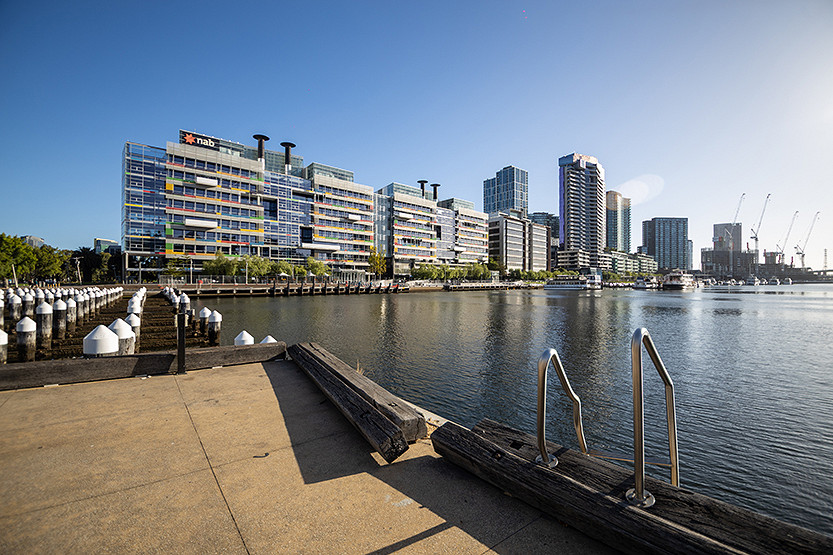
Docklands and its surrounding urban renewal areas face significant gaps in community infrastructure as population growth continues to place pressure on schools, open space, sportsgrounds, early years services and flexible community facilities.
Read More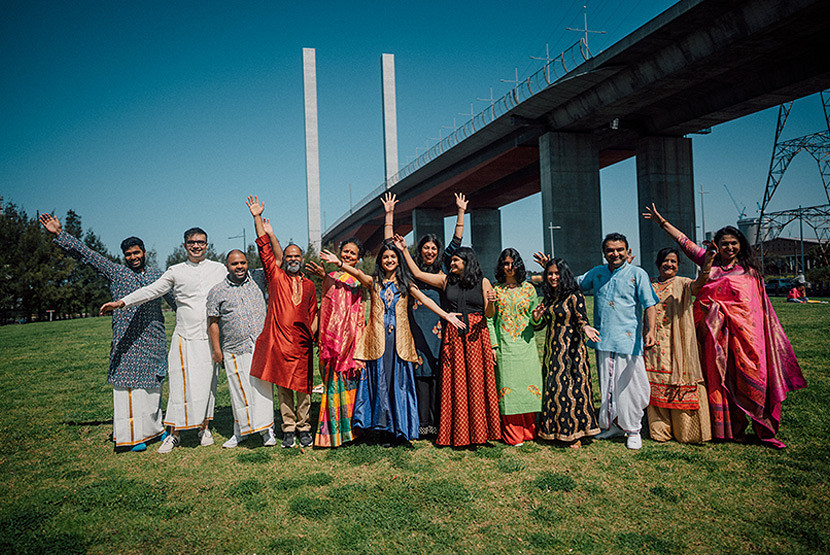
Little India precinct debate puts Docklands’ future in sharper focus
The City of Melbourne’s proposal to establish a Little India precinct in Docklands has emerged as one of the most debated issues of this year’s council budget, prompting strong support from Melbourne’s Indian diaspora, significant concern from local residents, and a renewed council focus on Docklands’ public realm.
Read More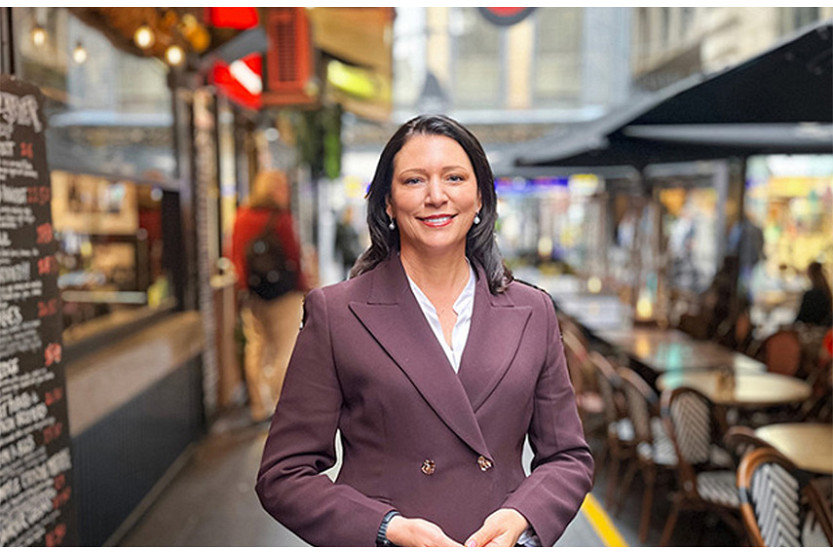
City of Melbourne chief Alison Leighton to take leave as acting CEO appointed
City of Melbourne councillors have endorsed the council’s general manager of infrastructure and amenity, Rick Kwasek, as acting chief executive officer for a six-week period from June 26 to August 7 while CEO Alison Leighton is on leave.
Read More
From one café client to 60 brands: The growth of Born Social

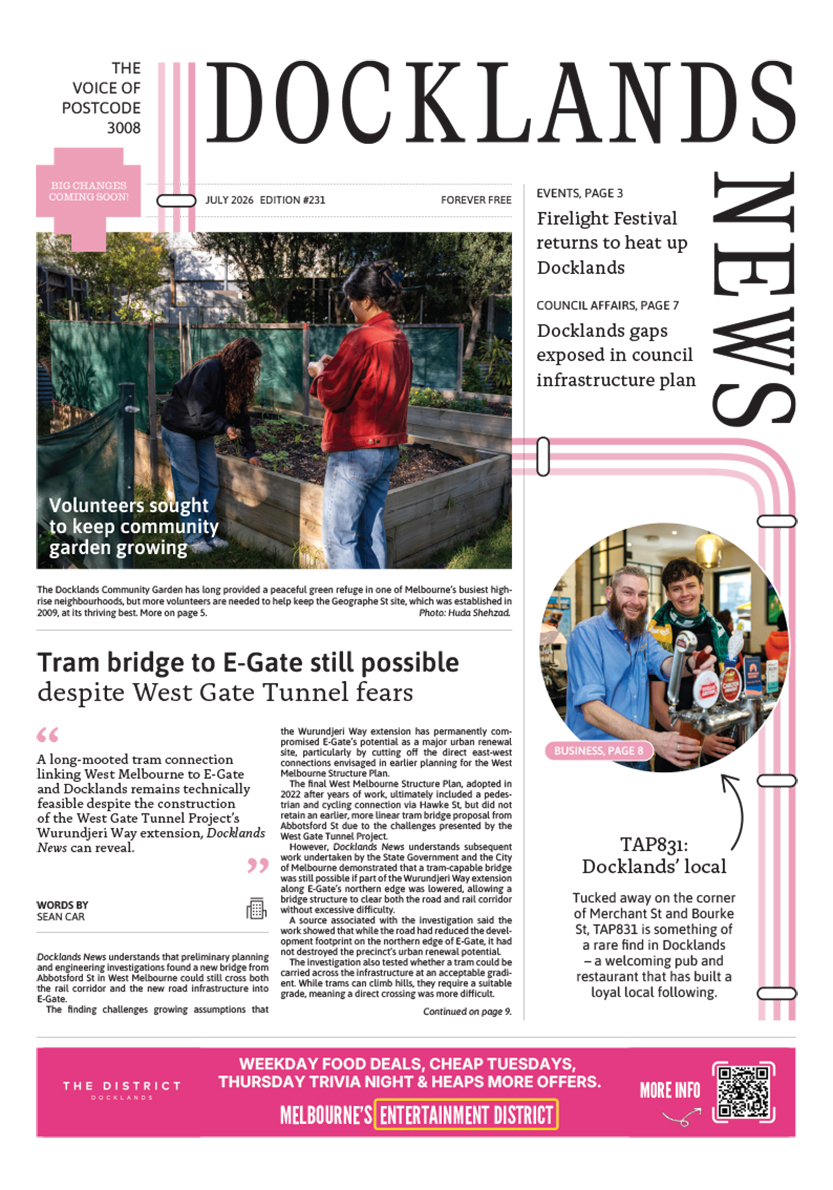
Tram bridge to E-Gate still possible despite West Gate Tunnel fears

 Download the Latest Edition