
City of Melbourne takes over Westgate Park management
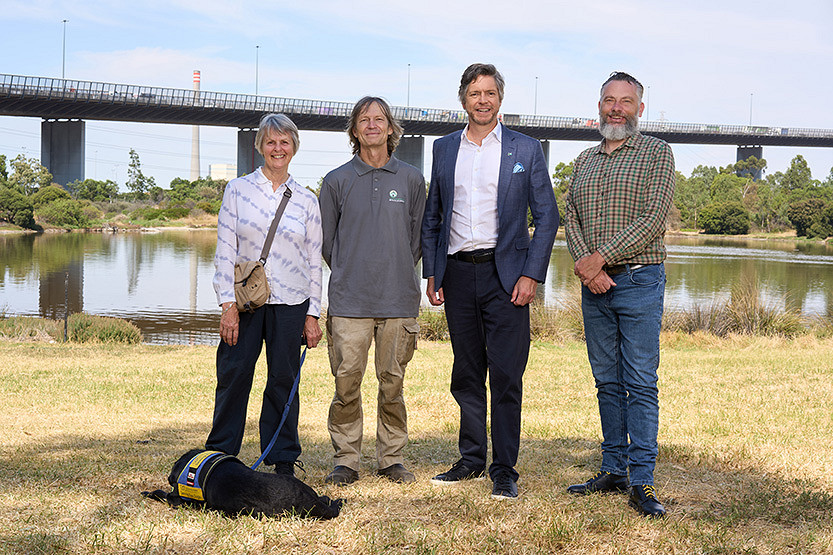

Westgate Park – home to Melbourne’s famous pink lake and one of the city’s most distinctive ecological treasures – has officially come under the management of the City of Melbourne.
It marks a significant turning point for the evolving Fishermans Bend precinct and the community groups who have long advocated for the change.
The 36-hectare park, which sits at the mouth of the Yarra River beneath the West Gate Bridge, transferred from Parks Victoria to the City of Melbourne on January 1, 2026.
The move has been warmly welcomed by local restoration group Westgate Biodiversity, whose volunteers have spent more than 30 years transforming the former industrial wasteland into a flourishing habitat of wetlands, saltmarsh, woodlands and grasslands.
Lord Mayor Nick Reece said the transition represented a major opportunity to elevate one of Melbourne’s most important natural assets at a time when Fishermans Bend is preparing for extraordinary growth.
“Westgate Park is a great new addition to Melbourne’s status as a Garden City,” Cr Reece said. “Once a forgotten corner of the city, Westgate Park is now one of our largest open spaces – sitting behind only Royal Park and Princes Park. Enhancing this green parkland is a priority for the City as Fishermans Bend is set to see major population growth and be home to 80,000 people.”
The council’s environment portfolio lead Cr Davydd Griffiths said it was committed to honouring the decades of community stewardship that had shaped the park.
“This is an outstanding green space with significant biodiversity value, shaped by the long-term dedication of Westgate Biodiversity,” Cr Griffiths said.
“We want to thank everyone who has advocated for the City of Melbourne to manage this important parkland. Work is now underway to plan for Westgate Park’s sustainable future – and we look forward to bringing the community along on this journey.”
For Westgate Biodiversity, the announcement is the culmination of more than a decade of campaigning. The group credited former Lord Mayor Sally Capp and community advocates including Lecki Ord, Janet Bolitho, George Fotheringham and the late Tony Flude for helping drive the transition.
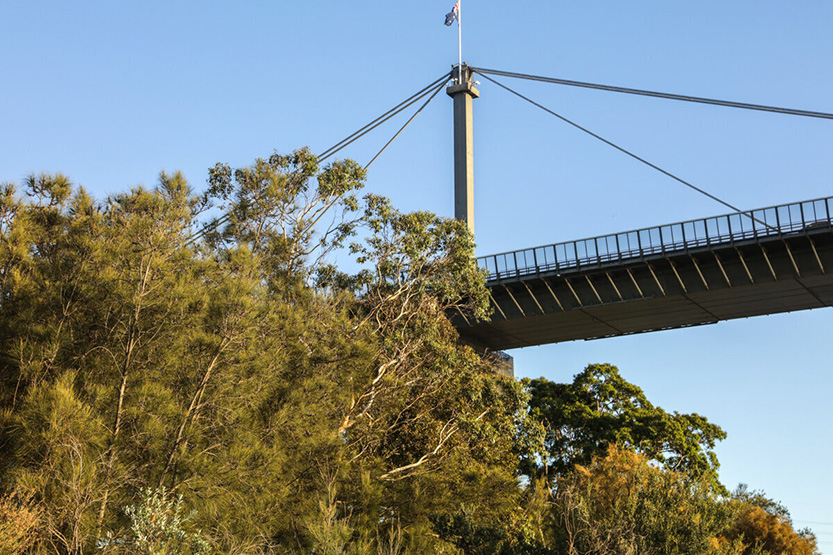
“We saw the benefits of this move a decade ago,” the group said in a statement. “We are proud of our 30-year history of volunteers turning this land into the biodiverse gem that is today. We now look forward to working with the City of Melbourne, drawing on their expertise in urban ecology, open space and water management, their interest in citizen science, and their capacity to substantially improve park facilities.”
The group also celebrated the news that Bili Nursery and Bili Landcare – currently operating across separate sites – will finally be co-located in a purpose-built compound near Westgate Bridge later this year. The move is expected to significantly expand the nursery’s capacity to supply indigenous plants to councils and the broader community, supporting critical biodiversity outcomes.
Westgate Park has become one of Melbourne’s richest ecological zones, with more than 177 bird species recorded over two decades of monthly surveys, along with turtles, frogs, reptiles, possums, native rodents, diverse insect life and more than 80 species of fungi.
The City of Melbourne said managing Westgate Park aligned strongly with its Open Space Strategy, Parks Policy and Nature in the City Strategy, and would help ensure the park grows alongside Fishermans Bend as it transitions into Australia’s largest urban renewal precinct.
Related Articles
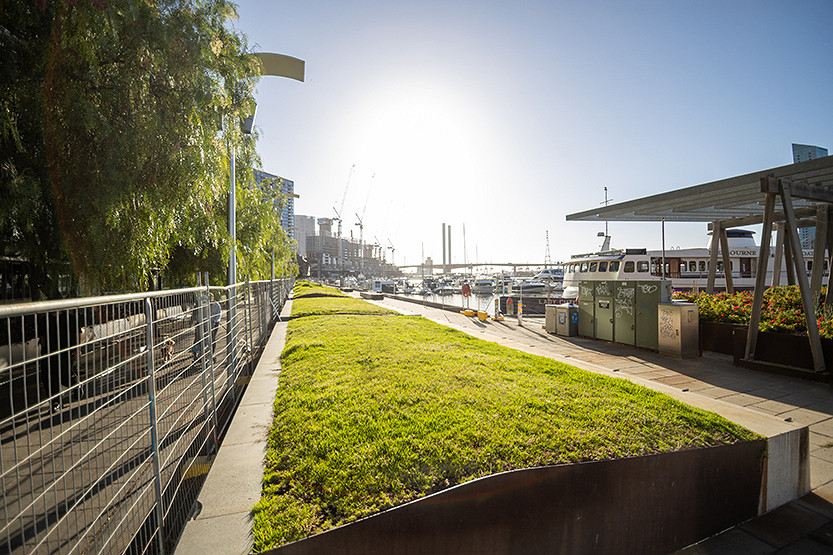
Docklands’ low canopy in focus as council considers urban forest plan
Docklands’ low tree canopy and exposed waterfront streets will come under renewed focus as the City of Melbourne considers a new 10-year Urban Forest Precinct Plan for the neighbourhood.
Read More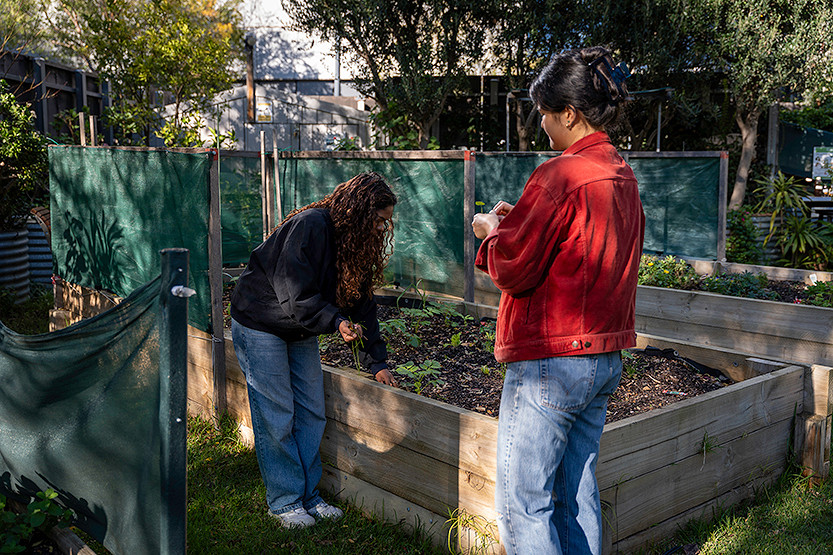
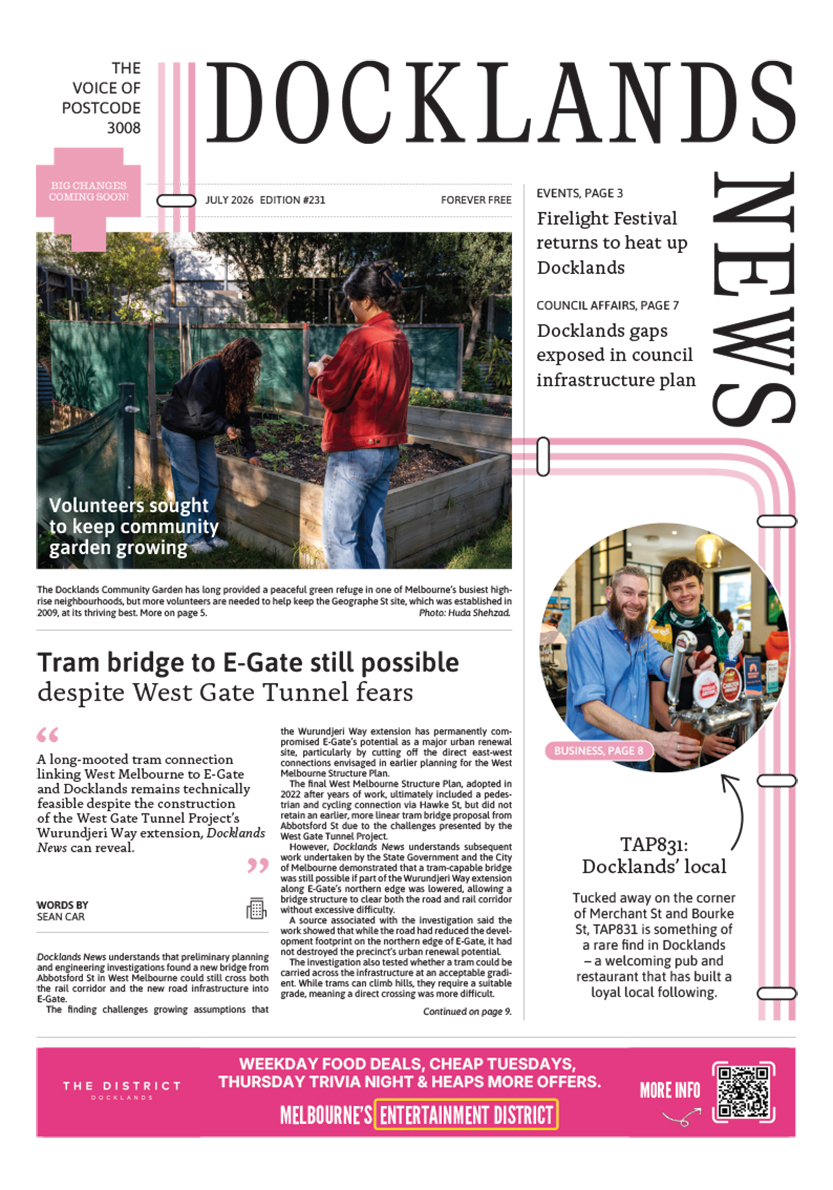
Volunteers sought to keep Docklands garden growing
The Docklands Community Garden has long provided a peaceful green refuge in one of Melbourne’s busiest high-rise neighbourhoods, but more volunteers are needed to help keep it thriving.
Read More
Harbour Esplanade to feature in 220km Birrarung walk
A long-term plan for a 220km “whole-of-river” walking trail along the Yarra, or Birrarung, will take walkers through Docklands and along Harbour Esplanade as part of a major new route connecting the river’s lower reaches to the Upper Yarra Reservoir.
Read More
From one café client to 60 brands: The growth of Born Social

Tram bridge to E-Gate still possible despite West Gate Tunnel fears

 Download the Latest Edition