
Rituals that make a community
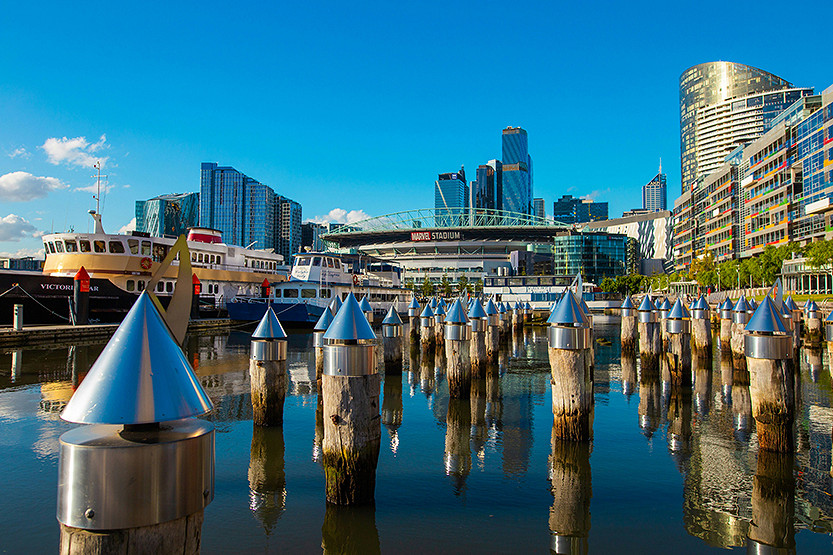
Over the past few weeks, many in Docklands have been marking important moments in very different ways.
Some families gathered at sunset to break their fast during Ramadan. Others prepared for Easter through the season of Lent, reflecting, fasting or giving something up. Across the waterfront and around Melbourne, homes were lit with red lanterns and tables filled with dumplings to welcome the Lunar New Year, Year of the Horse.
At first glance, these occasions may seem separate. Different cultures. Different faiths. Different histories. But they share something powerful. They are rituals, and rituals are one of the oldest and most effective ways humans build community.
Long before modern cities and high-rise apartments, communities were built through shared rhythms. Harvest festivals. Religious observances. Weekly gatherings. Shared meals. These repeated practices created belonging. They reinforced shared meaning. They reminded people that they were part of something bigger than themselves.
Sociologists have long distinguished between two types of social life: close-knit communities built on shared bonds, and modern societies built on transactions and individual goals. In fast-growing urban areas like Docklands, we often default to the latter. We live side by side, but not necessarily together. Ritual changes that.
When we fast together. When we feast together. When we light candles, lanterns or simply sit at a long table and talk, something shifts. We move from transaction to connection.
Ritual creates shared content. It gives us stories to tell. It creates emotional memory. It builds trust. And trust is the foundation of real community.
Docklands is still one of Melbourne’s newest neighbourhoods. Many of us arrived here in the last decade. Some came from interstate. Some from overseas. Some from across the river.
Unlike older suburbs, we are still forming our traditions. That is not a weakness. It is an opportunity.
Ramadan reminds us of discipline, reflection and generosity. Lent reminds us of renewal and humility. Lunar New Year reminds us of family, prosperity and fresh beginnings. Each of these rituals carries centuries of meaning, but they also adapt to place.
What does it mean to celebrate these traditions in Docklands? In apartments overlooking the harbour? In shared barbecue areas? In local cafes and community spaces?
How do we honour heritage while creating something new together?
Community is not only built through large cultural or religious events. It is also built through the small, repeated practices that become “just what we do”. The Sunday morning walk around the harbour. The weekly dinner at the same local restaurant. The building WhatsApp group that checks in during storms. The annual gathering in the park. The shared Iftar invitation to neighbours, or at Docklands Den. The Lunar New Year dumpling night in a common room.
These are rituals too. They are the content of our community life. They give Docklands texture and memory. They move us from being residents of the same postcode to participants in the same story.
Docklands is a culturally diverse community. That diversity is not only something to celebrate. It is something to learn from. When we understand why a neighbour fasts, why another abstains, why another hangs red lanterns or hosts a reunion dinner, we deepen our own sense of belonging.
Belonging is not created by sameness. It is created by recognition. Ritual is a bridge. It says: this matters to me. Let me share it with you. And when that sharing is reciprocated, community forms.
A question for Docklanders
As our suburb continues to grow, I would love to ask: what rituals have you built here? What is the practice you repeat that makes Docklands feel like home?
Maybe it is a quiet one. Maybe it is public and joyful. Maybe it is cultural, spiritual, social or simply personal.
If we begin to name these rituals, we begin to see the invisible threads that connect us.
Docklands is still becoming. The question is not whether we will have traditions. The question is whether we will create them intentionally, and perhaps that begins with something simple.
An invitation. A shared table. A repeated act of generosity.
That is how communities are built. •
Related Articles
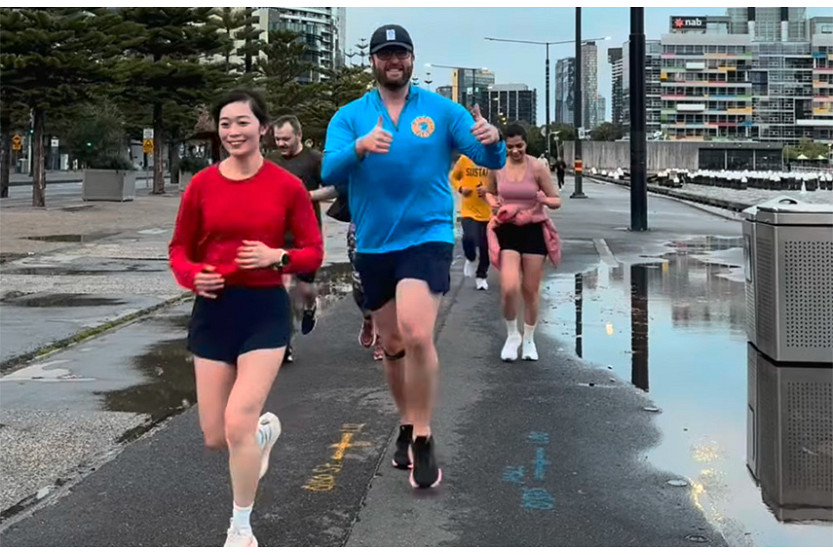
Docklands run club builds community connection
A new free monthly run club is bringing Docklands locals together for fitness, coffee and community connection.
Read More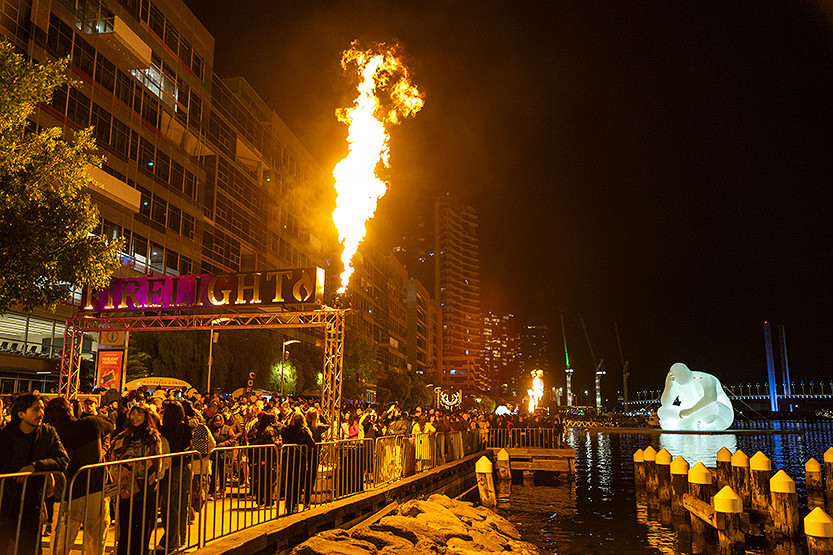
Firelight Festival returns to heat up Docklands
Docklands is set to glow again this winter, with the City of Melbourne’s Firelight Festival returning to Harbour Esplanade for three nights of fire, music, food and after-dark entertainment.
Read More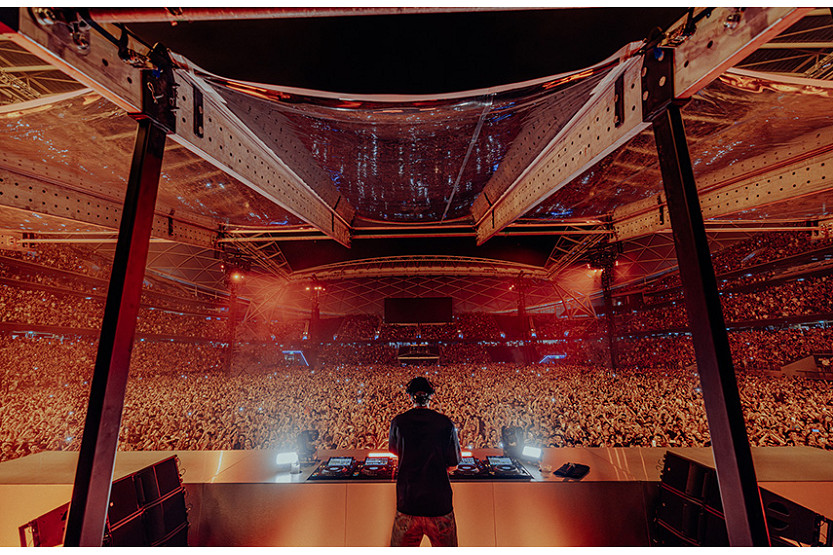
Dom Dolla sellout delivers another boost for Docklands
Docklands is set for another major event boost this September, with Melbourne’s own Dom Dolla selling out Marvel Stadium for what is being billed as one of the biggest electronic music moments in Australian history.
Read More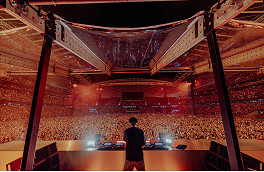
Dom Dolla sellout delivers another boost for Docklands
Little India precinct debate puts Docklands’ future in sharper focus

 Download the Latest Edition