
Heart Week 2026: “Never Miss a BEAT” with vital health checks

As Heart Week 2026 kicks off across Australia from May 4 to 10, health experts and the National Heart Foundation are issuing a critical call to action: “Never miss a BEAT”.
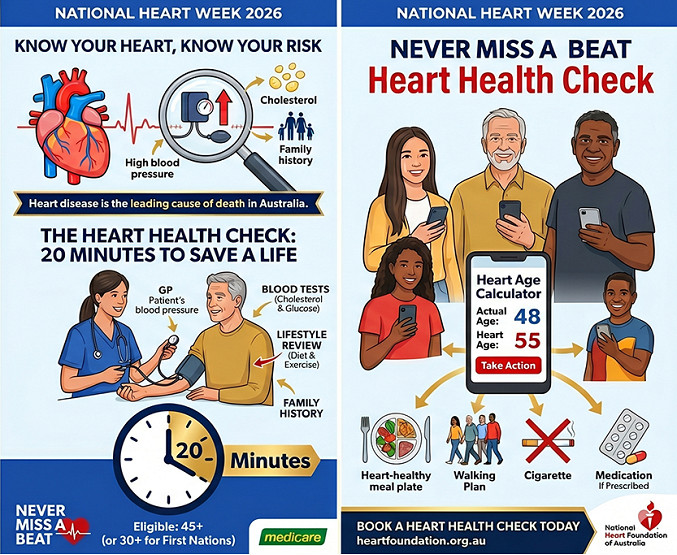
This year’s campaign shifts the focus from general awareness to a specific, life-saving medical appointment – the Heart Health Check.
Heart disease remains the leading cause of death in Australia, claiming a life every 18 minutes. Despite these sobering statistics, many Australians remain unaware of their personal risk. Because high blood pressure and elevated cholesterol often present no visible symptoms, thousands of people are living with “silent” risks that could lead to catastrophic events like heart attacks or strokes.
The 20-minute appointment that could save your life
The cornerstone of this year’s Heart Week is the promotion of the Heart Health Check. Unlike the rigorous stress tests often depicted in media, a standard check-up is non-invasive and takes around 20 minutes.
During the consultation, a GP or nurse conducts several key assessments:
Biometric screening: Checking blood pressure, cholesterol levels, and blood sugar.
Medical history: A deep dive into family history, particularly looking for immediate relatives who may have suffered heart events before age 60.
Lifestyle review: A conversation about diet, physical activity, smoking status, and alcohol consumption.
“Common types of heart disease, including heart attacks and strokes, can be prevented through these regular checks,” the Heart Foundation says. By inputting this data into a clinical calculator, GPs can estimate the likelihood of a patient having a heart attack or stroke in the next five years.
Who should be booking?
While heart health is a lifelong priority, Medicare provides specific subsidies for those at higher statistical risk. Australians aged 45 and over who do not already have heart disease are eligible for an annual Heart Health Check. However, the window opens earlier for specific groups: First Nations peoples are encouraged to start checks from age 30, and those living with diabetes are eligible from age 35.
Understanding your “heart age”
To bridge the gap between clinical data and public understanding, the Heart Foundation’s “Heart Age Calculator” has become a vital tool this year. Designed for those aged 35-75, the online tool allows individuals to see if their heart is “older” than their actual age.
A “heart age” higher than your chronological age serves as a biological red flag, indicating that modifiable risk factors – like BMI or blood pressure – need urgent attention. While the calculator is a powerful motivational tool, health professionals emphasise that it does not replace the comprehensive assessment provided by a GP.
Taking control: beyond the clinic
The Heart Week 2026 campaign also highlights the interconnectedness of heart health, kidney function, and diabetes. Managing one often protects the others. For those identified as “intermediate” or “high” risk, a GP will typically develop a multi-step plan.
This might include:
Referrals: working with dietitians to improve nutritional intake.
Prescriptions: using medication to lower high cholesterol or stabilize blood pressure.
Activity plans: implementing structured walking programs or quitting smoking.
How to get involved
The Heart Foundation is encouraging workplaces and community groups to “put a spotlight on heart health” by sharing resources and starting conversations. For individuals, the message is simple: visit the Heart Foundation website to calculate your heart age and, most importantly, book that 20-minute appointment with your local clinic. If you need a dietitian appointment, then please book in with Amanda at Docklands Health.
As we move through Heart Week, the goal is clear: by identifying risks early, we can ensure that more Australians “never miss a beat” with their loved ones. •
Related Articles
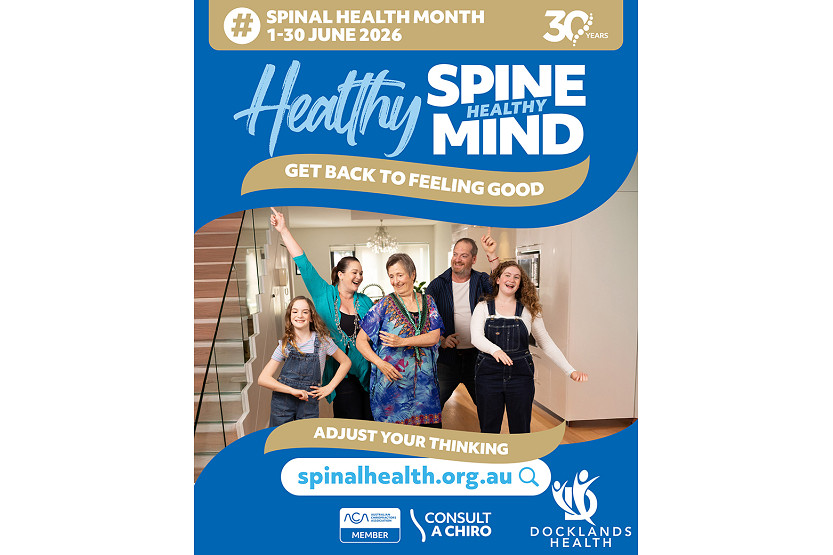
Australia’s silent back pain burden impacts mental health and the economy
National Spinal Health Month: a healthy spine supports a healthy mind.
Read More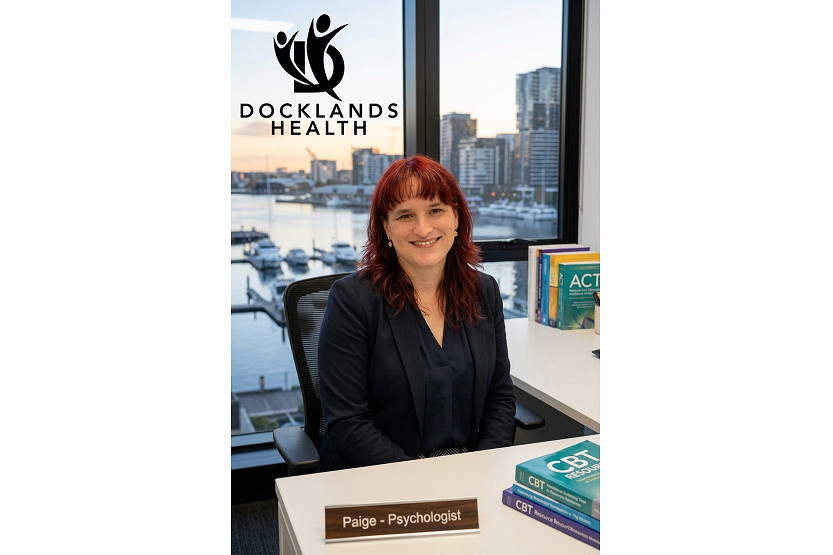
Mental health support returns to Docklands: new specialist joins local health hub
For many residents and professionals in Melbourne’s waterfront district, the departure of a long-standing healthcare provider often leaves a gap that is hard to bridge.
Read More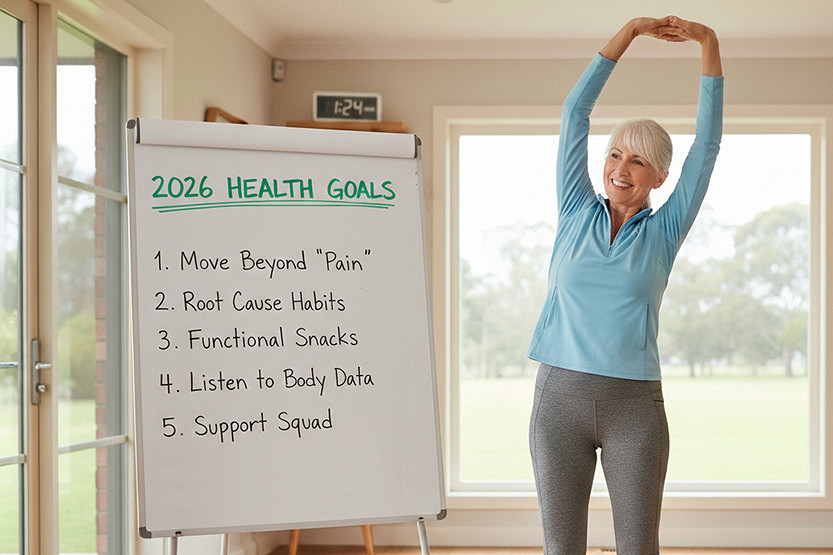
Making your 2026 health goals stick: five pro tips from Dr Eunise Yeo
As we step into 2026, the familiar buzz of New Year’s resolutions is in the air. We start January with the best intentions – joining the gym, fixing our posture, or finally addressing that nagging back pain. Yet by mid-February, many of these goals begin to fade.
Read More
Dom Dolla sellout delivers another boost for Docklands

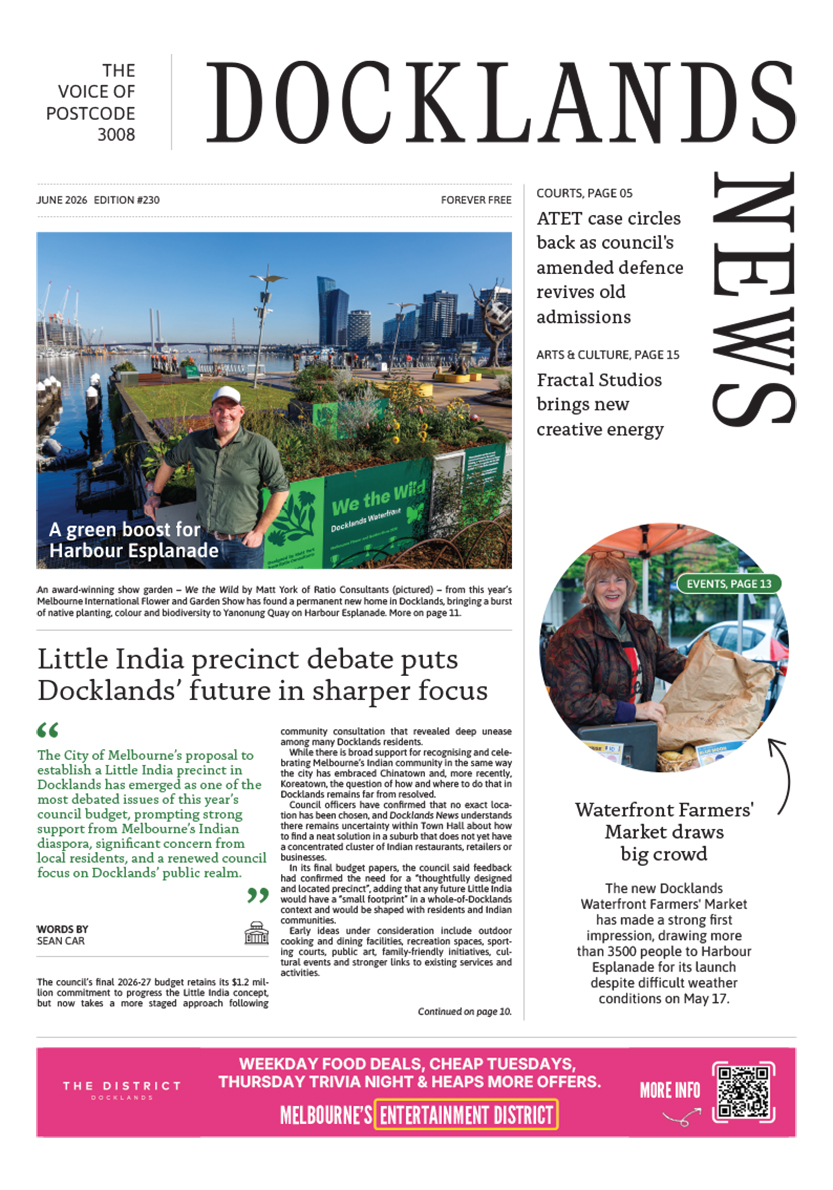
Little India precinct debate puts Docklands’ future in sharper focus

 Download the Latest Edition