
Australia’s silent back pain burden impacts mental health and the economy
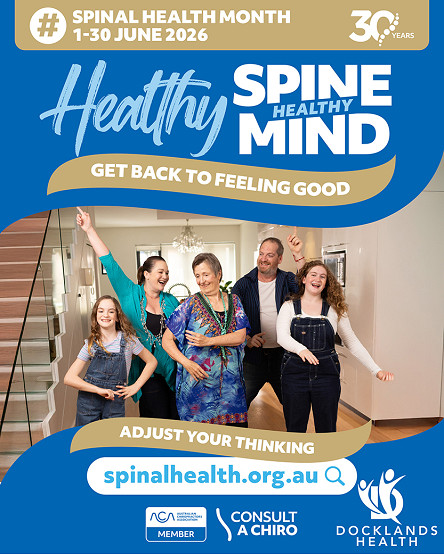

National Spinal Health Month: a healthy spine supports a healthy mind.
June is National Spinal Health Month, an initiative of the Australian Chiropractors Association (ACA), encouraging Australians to join the “spinal health movement” and help prevent back pain disorders.
Back pain remains one of the leading causes of disability in Australia and is increasingly linked to mental health complications for sufferers.
According to the Australian Institute of Health and Welfare and the World Health Organisation, musculoskeletal disorders, including back pain, account for the greatest proportion of persistent pain conditions, which are often associated with depression and psychological distress.
ACA president Dr Billy Chow said the coexistence of back pain and mental health conditions was associated with impaired quality of life, while the increased risk of developing chronic back pain also posed a significant financial burden on sufferers and the economy.
“Encouraging Australians to address musculoskeletal disorders by managing their spinal health not only helps inhibit chronic back pain but can also mitigate negative secondary implications on sufferers’ mental health and overall wellbeing,” Dr Chow said.
Dr Eunise Yeo of Docklands Health said chronic back pain could lead to psychological and social problems, while depressive symptoms could worsen back pain and increase disability associated with the condition.
“By underscoring the significance of improving our spinal health and addressing symptoms promptly, we can prevent chronic back pain that negatively impacts mental health and overall wellbeing,” Dr Yeo said.
Research by Monash University’s School of Public Health and Preventive Medicine has projected that if common back pain is not tackled through advice to stay active and receive appropriate care, 3.2 million working-age Australians will be living with chronic back pain by 2033.
The same research projects that chronic back disorders could cost the Australian economy an estimated $638 billion in lost productivity over the next decade.
Already, 6.1 million Australians, or almost one in three, are impacted by musculoskeletal disorders, with 58 per cent of those affected being of working age.
Annually, musculoskeletal disorders cost the Australian economy around $55.1 billion in direct health costs, lost productivity and reduced quality of life, while limiting mobility and increasing the risk of isolation.
Psychological distress in the form of anxiety or depression is common among acute back pain sufferers. Without appropriate early treatment, acute back pain can develop into chronic back pain, increasing both physical and mental health risks.
Risk factors include avoiding movement or activity due to fear of pain or further injury. While rest may be recommended for some acute injuries, long-term avoidance can increase pain and disability.
Dr Yeo said treatment should move away from reliance on medication and towards integrated, holistic healthcare, including lifestyle support, advice to remain active and working, and tools to self-manage pain.
“By taking an informed, proactive approach through preventative measures, making healthy lifestyle changes, remaining active and seeking early intervention when back problems do occur, back pain treatment can be effective,” Dr Yeo said.
During National Spinal Health Month, Docklands Health is encouraging the community to maintain a healthy spine to support a healthy mind.
People experiencing back pain can contact Docklands Health on 9088 3228 for a spinal health assessment or visit spinalhealth.org.au for free information. •
Related Articles
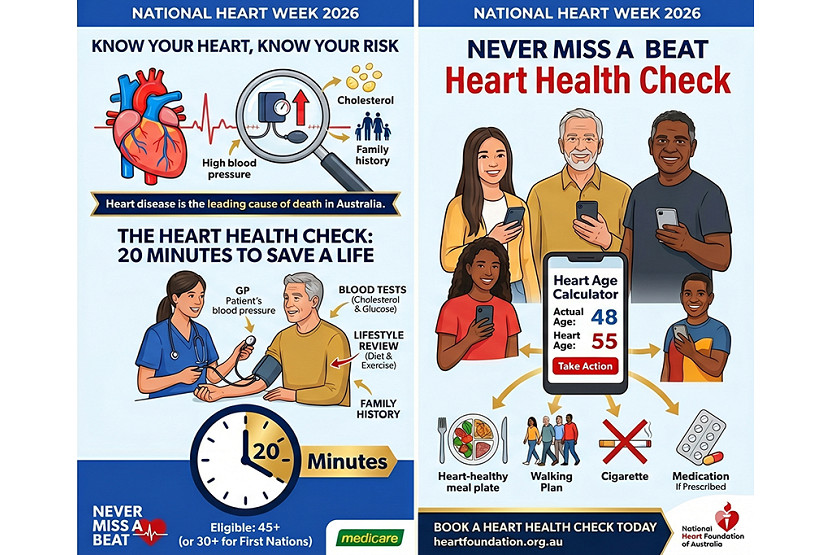
Heart Week 2026: “Never Miss a BEAT” with vital health checks
As Heart Week 2026 kicks off across Australia from May 4 to 10, health experts and the National Heart Foundation are issuing a critical call to action: “Never miss a BEAT”.
Read More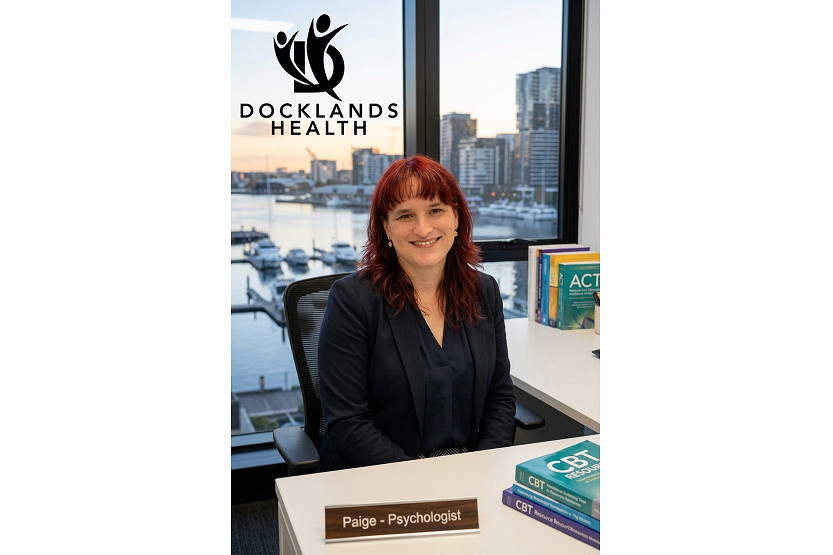
Mental health support returns to Docklands: new specialist joins local health hub
For many residents and professionals in Melbourne’s waterfront district, the departure of a long-standing healthcare provider often leaves a gap that is hard to bridge.
Read More
Making your 2026 health goals stick: five pro tips from Dr Eunise Yeo
As we step into 2026, the familiar buzz of New Year’s resolutions is in the air. We start January with the best intentions – joining the gym, fixing our posture, or finally addressing that nagging back pain. Yet by mid-February, many of these goals begin to fade.
Read More
Dom Dolla sellout delivers another boost for Docklands

Little India precinct debate puts Docklands’ future in sharper focus

 Download the Latest Edition