
A look at the evolution of beauty standards in Australia

The concept of beauty has continually evolved in Australia, from a traditional sun-kissed surf culture to today’s influencer-driven aesthetics.
The nation's beauty standards are shaped by cultural influences, media representation, and social trends, all of which have evolved and have caused a shift in how Australians see themselves.
This article explores the journey of Australian beauty standards, from the natural look of the '70s to today’s curated aesthetics, and how these shifts influence personal expression and beauty choices.
The early days
In the early to mid-20th century, Australian beauty was largely defined by its environment. The “beach babe” look, featuring sun-tanned skin, minimal makeup, and athletic body types, dominated the public imagination. Reflecting Australia's close ties with nature and a strong outdoorsy culture, beauty was equated with health and vitality.
Public figures like swimmer and actress Annette Kellerman helped shape an image of the Australian woman as strong, independent, and naturally beautiful. By the 1970s, other icons such as Olivia Newton-John embodied the effortless blend of athleticism and femininity, reinforcing the nation's laid-back, health-conscious ideals.
Global fashion influences
Australia became more connected to the global media landscape in the 1980s and ‘90s. It was here that local beauty standards began shifting to reflect international trends. With the rise of supermodels, a more sculpted, fashion-forward ideal entered the national spotlight.
During this era, beauty norms became increasingly influenced by American and European aesthetics. Tanned skin and toned figures remained popular, but were now paired with polished hair, designer fashion, and cosmetic enhancements.
This was also a time when cosmetic procedures began gaining traction. Australians were increasingly exposed to international trends in aesthetic medicine, which subtly began reshaping the beauty narrative to include cosmetic options as part of self-care.
Mainstream media in the 2000s
The 21st century saw the rise of reality TV, celebrity culture, and glossy magazine culture, which caused beauty standards to take on a more glamourised and hyper-feminine turn. These ideals favoured bronzed skin, flat-ironed hair, smoky eyes, and contoured cheekbones.
Reality stars like the contestants of Australia’s Next Top Model or Big Brother gained as much attention for their looks as their personalities, influencing a generation of young Australians. Celebrities like Miranda Kerr also exemplified the trend toward a “girl-next-door” beauty, which was natural yet refined.
It was during this time that discussions around cosmetic enhancements became more mainstream. The desire for fuller lips, enhanced curves, and more symmetrical features entered public conversation, with aesthetic medicine offering increasingly subtle and accessible solutions.
The rise of influencers
The 2010s saw social media revolutionise beauty norms. Platforms like Instagram and YouTube gave rise to influencers who became new beauty authorities by setting trends, promoting products, and normalising aesthetic procedures.
This era popularised the highly curated, “Instagram-ready” look, which promoted luminous skin, dramatic lashes, contoured cheeks, and a sculpted physique. While once niche, treatments like lip fillers, skin rejuvenation, and breast enlargement have become part of the modern beauty toolkit.
Significantly, the influencer era also broadened access to information. Australians could now learn about procedures from real people, not just clinics, and the conversation around beauty became more transparent and inclusive.
Cultural influence and First Nations beauty
An important and growing movement in the Australian beauty conversation is the celebration of First Nations beauty. Indigenous models and advocates are reshaping conventional norms by bringing traditional features, cultural pride, and indigenous narratives into mainstream media.
As Australia begins to reckon more deeply with its colonial past, the inclusion of Aboriginal and Torres Strait Islander voices in the beauty space offers a richer, more authentic portrait of what it means to be beautiful in Australia today.
The role of cosmetic surgery today
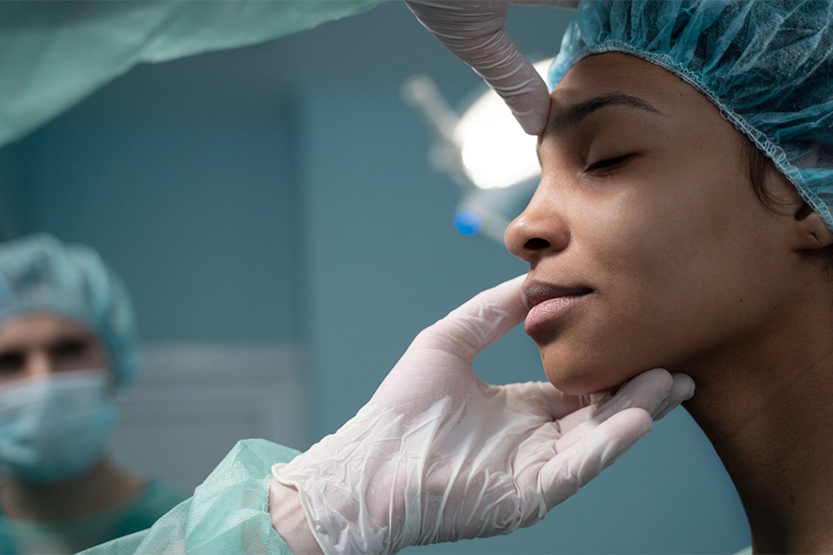
Cosmetic procedures have become a recognised and accepted part of Australia's beauty landscape. With 38 per cent of the adult population considering surgery in the next 10 years, evolving preferences around body confidence and femininity are reflected. Rather than aspiring to a universal ideal, many Australians now seek customisation, opting for enhancements that support their lifestyle, identity, and personal aesthetic goals.
Importantly, clinics today place a strong emphasis on safety, education, and ethical standards. This has helped build greater trust in the industry and empower individuals to make informed decisions about their appearance.
Diversity, self-expression and empowerment
Today, Australian beauty standards are no longer defined by a single “ideal.” Instead, beauty has become much more than that, with diversity, authenticity, and self-expression coming to the forefront. Representation of different skin tones, body types, ages, and gender identities is improving across fashion, advertising, and entertainment.
In the modern world, there is a growing emphasis on personalised beauty choices. Consumers are more informed and empowered, choosing beauty routines and treatments based on individual preferences rather than societal pressure.
While cosmetic enhancements remain popular, the motivation has evolved from “fitting in” to “feeling confident in your skin”. For many, aesthetic procedures are now viewed as a form of self-care, helping individuals align their outer appearance with their internal sense of identity.
Australia’s beauty standards have come a long way from sun-kissed beach icons to a diverse, self-expressive landscape where individuality is celebrated. While social media, global trends, and technological advancements have all played roles in shaping modern ideals, the underlying message is clearer than ever: beauty is personal.
Whether embracing natural features, choosing to explore aesthetic options, or simply experimenting with style and skincare, Australian beauty today is about authenticity, autonomy, and self-love. As our understanding of beauty continues to evolve, one thing remains constant.
It’s a reflection of the times, our values, and our journeys.
Related Articles

Major healthcare hub takes shape at former Costco site in Docklands
Progress is gathering pace on a major new healthcare hub in Docklands, with Melbourne Pathology moving forward on plans to establish a state-of-the-art Centre of Excellence at the former Costco site.
Read More
Little rituals to make 2026 more magic
Big new year resolutions have a funny old habit of collapsing by mid-January.
Read More
Severe heatwave to hit Docklands: locals urged to seek out cool refuges
Docklands is preparing for a dangerous burst of extreme heat this week, with the Victorian Chief Health Officer issuing a heat health warning from Wednesday, January 7 to Friday, January 9.
Read More
Meals with Impact launches free Docklands food market
Renewed push to reclaim Moonee Ponds Creek in Docklands

 Download the Latest Edition