
Little rituals to make 2026 more magic

Big new year resolutions have a funny old habit of collapsing by mid-January.
Gym memberships become redundant, vigorously curated productivity systems gather dust and that carefully written list of “new year intentions” quietly slips into a drawer.
What usually survives, though, are the small things: the habits that do not require discipline or reinvention, but just a teeny-weeny bit of attention.
Rituals sit in that sweet spot. They are not about hyperoptimisation or motivation-charged self-improvement. They are more about rhythm. A small way to mark time, create a pause and remind yourself that the days are not meant to blur endlessly into one another. As 2026 rolls in, adding a few small rituals to your routine can bring calm and a bit of magic to make life feel lively.
Not the 5am club morning rituals
Mornings do not need to start at 5am with ice baths and affirmations shouted into the mirror. A ritual can be as simple as doing one thing slowly before the day speeds up. Some people start with a quiet cup of tea or coffee with no phone in sight, just long enough to notice the warm sunlight coming in through the window. Others take two minutes to stretch, step outside for a breather or write simply a single sentence about how they want the day to feel. While there is absolutely nothing wrong with chasing a quality workout or taking care of your body by rising early, there should be recognition of the fact that such high-octane schedules are not everyone’s cup of tea, and people can always start small and build momentum from there.
How not to lose the plot by 3pm

Most people do not burn out dramatically. They fray slowly. It happens somewhere between back-to-back meetings, unread messages and eating lunch. A midday ritual is less about ‘mindfulness’ and more about damage control.
A short walk on a working day. Eating without a screen. Standing up and realising you have been holding your breath for no good reason. Actions like these can be thought of as the workplace equivalent of hitting pause on Netflix, because you have realised you are no longer following the plot. Nothing has gone wrong. You just need a small break.
Evenings that do not end in doomscrolling
Evenings are where intention usually gives up. It’s easy to switch off after a long, exhausting day of work and crave some indulgence. Technology can often play spoilsport and turn that moment of escape into an abyss of nothingness.
Social media’s doomscrolling has emerged as a lethal killer of mental health. One hour can easily turn into three. Suddenly, it is late, and the actual rest never quite happens.
An evening ritual creates a soft landing. Lighting a candle after dinner. Changing into comfortable clothes immediately like a non-negotiable act of self-respect. Writing down one thing that went right, even if the bar is “nothing caught fire”.
The idea of doing all this is that it's less about discipline and more about signalling. You are telling your body that the doing part of the day is over, and that rest does not have to be earned through exhaustion.
Weekly rituals that give you something to look forward to
Weeks blur when there is nothing to anchor them. A weekly ritual gives time shape. Maybe it is Friday night takeaway eaten properly instead of over the sink. A Sunday walk by the water.
A fixed time to chalk out your weekly plans. A bath that feels slightly excessive. Heck, it could even be a 15-minute call to your parents every Saturday. These moments work because they are predictable in the best way. They create anticipation without pressure. In a world obsessed with novelty and dopamine, there is something quietly comforting about knowing that at least one thing will happen exactly as expected.
Seasonal rituals, because time is a circle, not a spreadsheet
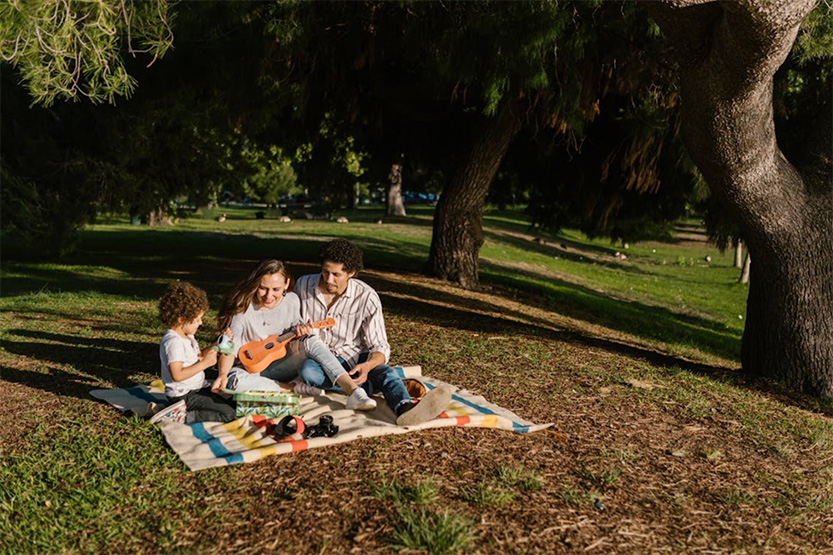
Australia’s seasons have personalities, even if we pretend they do not. Summer is loud and social and slightly chaotic, full of long evenings, salty skin, and the sense that everything can wait until tomorrow. Autumn quietly suggests slowing down without making a big announcement about it. Winter gives full permission to retreat, cancel plans, and prioritise warmth and rest without apologising. Spring arrives like a reset button, nudging you to open windows, clear space, and try again, even if the changes are modest.
Seasonal rituals work because they acknowledge that energy is not constant. You are not meant to operate at the same pace all year. A winter ritual might be as simple as earlier nights and softer mornings, while summer rituals lean into movement and light. These shifts help mark time in a way calendars never quite manage. They give the year texture. More importantly, they normalise change, reminding you that slowing down or starting fresh is not a failure of discipline, but part of a natural cycle you are allowed to move with rather than resist.
Objects that hold intention without taking themselves too seriously
Some people like their rituals anchored by something tangible. A favourite mug that only comes out in the morning. A notebook reserved for thoughts that do not need to be shared. A piece of jewellery worn not for fashion but for familiarity. These objects do not carry magic on their own, but they become cues, gently pulling you back into the moment when the day threatens to run away from you. For those who enjoy symbolism, exploring crystals online can be a playful way to choose pieces that reflect the energy you want to invite into the year, whether that is calm, focus, creativity, or simply not losing your cool in traffic. Used this way, they are less about belief systems and more about attention. A more of a small physical reminder to pause, breathe and reset before reacting.
The trick is not making it sacred
Rituals fall apart the moment they become rigid or are mixed with superstition. The second they turn into another thing you feel guilty about not doing, their usefulness disappears. Life will interrupt. Mornings will run late. Evenings will unravel. Some weeks will feel messier than others. The ritual is not there to judge you. It is there to meet you when you remember. If you skip a day, nothing is broken. If the ritual changes shape over time, that is not failure; it is adaptation. The magic is not in maintaining a perfect streak. It is in returning without making it a drama. And who needs more drama in their life anyway?
2026 does not need grand gestures or dramatic reinventions. It needs small moments that soften the edges of ordinary days. If you aim to cultivate good habits rather than chase goals, you will find that it is a more sustainable practice to aim for forming habits rather than aiming for goals or resolutions. Daily rituals can help you take a bit of a pause, destress your mind from the moment and see things more clearly. And sometimes, they even add a bit of magic to a dreary day.
Related Articles

Major healthcare hub takes shape at former Costco site in Docklands
Progress is gathering pace on a major new healthcare hub in Docklands, with Melbourne Pathology moving forward on plans to establish a state-of-the-art Centre of Excellence at the former Costco site.
Read More
Severe heatwave to hit Docklands: locals urged to seek out cool refuges
Docklands is preparing for a dangerous burst of extreme heat this week, with the Victorian Chief Health Officer issuing a heat health warning from Wednesday, January 7 to Friday, January 9.
Read More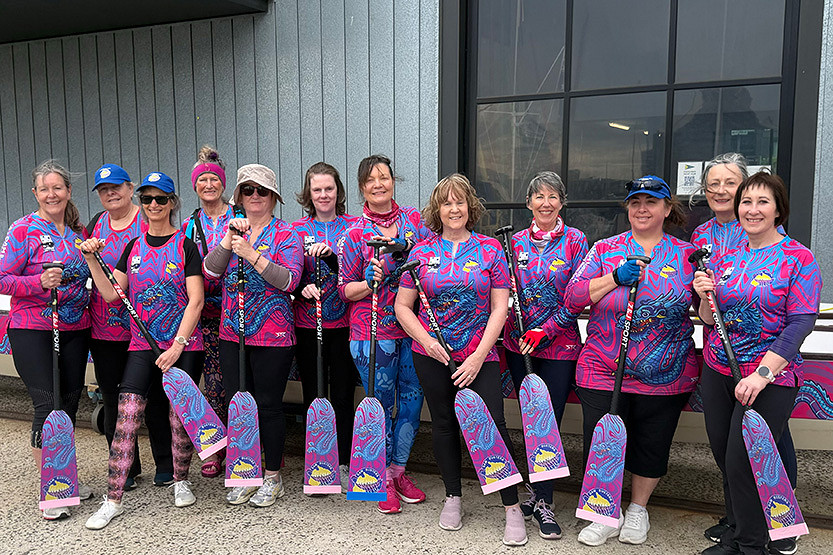
From recovery to resilience: Docklands’ dragon boat club for breast cancer survivors
When Docklands local Sue Mason was recovering from breast cancer surgery in 2021, she sat by her window listening to the drum of dragon boats echoing across Victoria Harbour.
Read More
Pam the Bird disappears from Bolte Bridge following chaotic Docklands scenes
Meals with Impact launches free Docklands food market

 Download the Latest Edition