
A harbour reimagined: calls grow to keep Central Pier site open
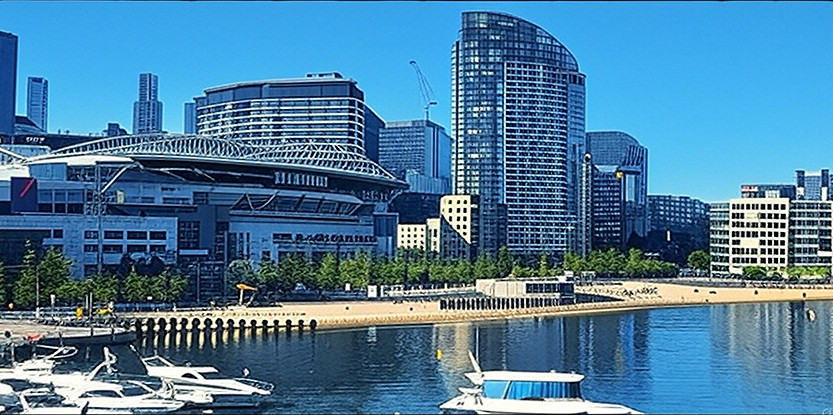

As the last remnants of Docklands’ Central Pier are dismantled, a new conversation is gaining momentum in the local community: what if nothing replaced it at all?
For years, debate has swirled around what should rise in place of the 100-year-old pier, closed in 2019 due to safety concerns. Visions have ranged from a maritime museum to a seafood market, a floating pier modelled on Hobart’s Brooke Street, or a mixed-use precinct aligned with the AFL’s redevelopment of Marvel Stadium. But with the demolition now almost complete, many locals say the cleared waterscape has revealed something better than any built replacement – open harbour.
Images shared last month in the Docklands Community Hub Facebook group captured that imagination, with one resident even floating a tongue-in-cheek render of Harbour Esplanade transformed into an inner-city beach (featured above). While unlikely, the idea tapped into a wider sentiment: Docklands needs space to breathe.
“It’s brilliant to see a free, open Victoria Harbour, without the reminder of what had become a symbol for Docklands’ struggles post COVID,” Docklands Chamber of Commerce president Dan Hibberd said.
“It’s refreshing, clear and clean and provides greater access for further activation of the waterways. We want to see collaboration on providing something back to the community, with small to medium businesses and local residents involved in rebuilding Docklands as a place for both locals and visitors.”
Community 3008 spokesperson and Docklands resident Jamal Hakim agrees, describing the cleared harbour as “not an end, but a beginning.”
“Harbour Esplanade and the now-empty Central Pier site represent a once-in-a-generation opportunity to create a vibrant, welcoming, family-friendly heart for Docklands,” he said.
In the short term, greening, community spaces and activation zones could draw people down into the public realm. In the long term, it could be the cohesive spine of Docklands – connecting neighbourhoods, events, culture, and waterfront life.
The opportunity is unique in part because there is no requirement for anything to be built. Development Victoria (DV), which manages the site, confirmed the heritage demolition permit does not mandate a replacement.
“Our focus is on working with partners, including the AFL, City of Melbourne and other key stakeholders, to bring new energy and activity to the Harbour Esplanade and waterfront,” DV’s executive general manager Niall Cunningham said. “Any future vision will be guided by principles that respect the heritage of Victoria Harbour and ensure it remains open, welcoming and accessible.”
Former Docklands Chamber of Commerce executive officer Shane Wylie, who once argued for new development, now firmly backs the “keep it open” camp.
“Providing green space, greening Harbour Esplanade with grass, trees – making it an area that people can congregate – that’s what Docklands needs,” he said. “Anything that is rebuilt is going to be a 10-year process, and if DV and the City of Melbourne work together now, they could create something the community would be happy with at very little cost. It’s just brilliant to see the openness of the harbour.”
Mr Wylie also points to the environmental benefits, noting increased sightings of seals and even dolphins since the pier’s removal began. “If it’s not touched, then it’s not ruined,” he said. “I think 80 per cent of the community would say, ‘we’re for open space and greenery’.”
For some, the idea of a maritime museum or heritage precinct no longer fits the city’s story.
“If you celebrate Melbourne’s maritime heritage, you’re also celebrating criminals,” Mr Wylie said. “I don’t think a couple of ships are worthy of that.”
Meanwhile, the conversation about water itself is also shifting. Across Melbourne, momentum is building around swimmable rivers and stronger connections to waterways.
In Docklands, advocates argue that reimagining the harbour without Central Pier could align with these ambitions – whether through events, temporary activations or new forms of water-based recreation.
Lord Mayor Nick Reece has publicly floated a seafood precinct around Victoria Harbour. Others have suggested concert venues or cultural anchors. But amid these competing visions, the simplest option – doing nothing – appears to be finding the most traction.
The next steps will depend on how DV, the AFL, and the City of Melbourne come together to plan Harbour Esplanade’s future. DV has said it will continue to consult the community, but for now, the open water itself is shaping the strongest case.
As Mr Hakim put it: “this cleared harbour space is not just empty – it’s open with possibility.” •
Related Articles
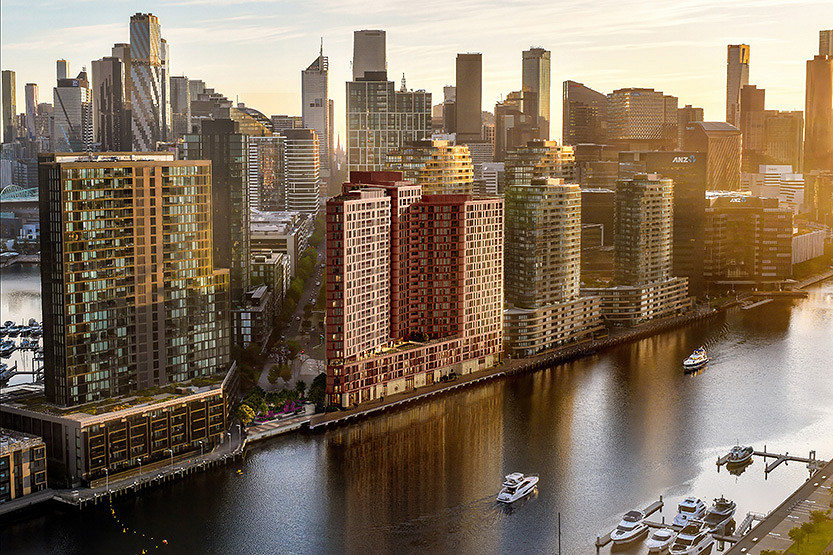
Lendlease’s Docklands build-to-rent tower reaches full height
Lendlease’s latest build-to-rent development has topped out at 899 Collins St, marking a major construction milestone for the 24-storey waterfront project in Docklands.
Read More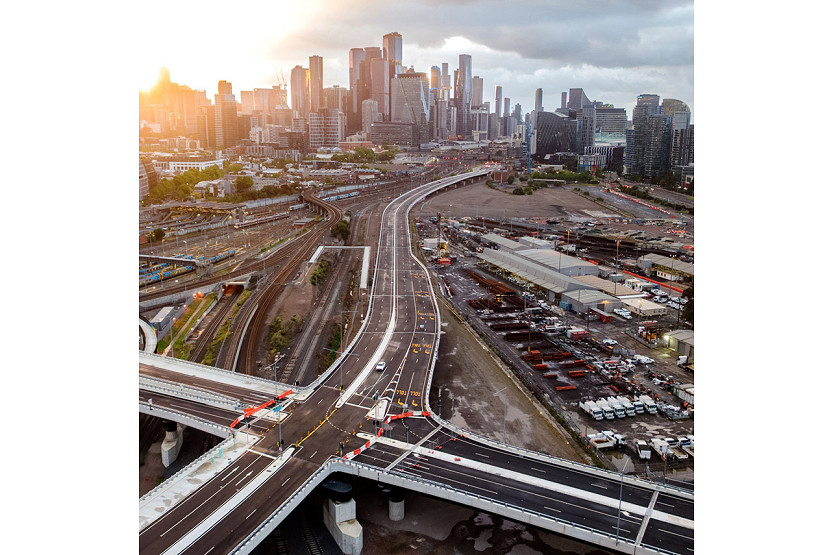
Tram bridge to E-Gate still possible despite West Gate Tunnel fears
A long-mooted tram connection linking West Melbourne to E-Gate and Docklands remains technically feasible despite the construction of the West Gate Tunnel Project’s Wurundjeri Way extension, Docklands News can reveal.
Read More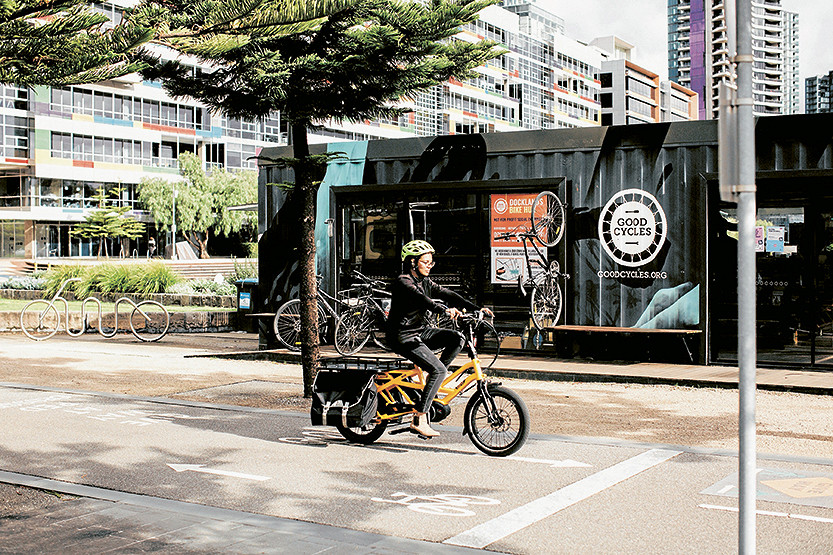
Good Cycles departs Docklands bike hub after decade on Harbour Esplanade
The Good Cycles bike hub on Harbour Esplanade has closed after almost a decade in Docklands, opening up a new opportunity for the City of Melbourne and Development Victoria to rethink one of the waterfront’s most visible small-scale activation sites.
Read More
Pam the Bird disappears from Bolte Bridge following chaotic Docklands scenes
Meals with Impact launches free Docklands food market

 Download the Latest Edition