
What Aussie businesses need before building their website

Before you hire a designer or sign up for a DIY website builder, it’s worth slowing down for a minute. Rushing into a new business site without a few basics in place often leads to stress, additional costs, and a final product that doesn’t truly align with your goals.
You’ll end up tweaking things endlessly or worse, scrapping and rebuilding from scratch later. If you’re based in Australia, there are also some small but essential administrative steps that affect how your business appears online. A little preparation here can save you months of frustration down the track.
Key takeaways:
- Register your business name and ABN before committing to digital assets
- Define your website’s purpose early to avoid costly rebuilds
- Prepare real content before choosing a layout or platform
- Secure admin access and stay in control of your digital tools
Make sure your business name and ABN are locked in
Locking in your business name may seem obvious, but many people leave it until the last minute. Maybe you’ve had the name in mind for months, but unless it’s registered with ASIC, someone else could still claim it – or already has. It’s not just about protecting your brand either. Domain availability, email addresses, and social media handles – they all hinge on securing that name early.
Your ABN is another piece of the puzzle that gets overlooked. If you're planning to operate as a registered business in Australia, you'll need it for everything from invoices to online tools. But it's especially important when setting up local digital assets. Certain domain types, for instance, have eligibility requirements that link back to your ABN. Without it, you might run into delays or miss out on domains that clearly signal you're an Aussie business.
Sorting these two pieces first – name and ABN – lays a stable foundation for everything else. It also helps you avoid paying for services you can’t fully use until your registration is complete.
Clarify what the website is actually meant to do
What do you want your website to do? Not just what you want it to look like – but what role it plays in your business. Too many Australian businesses jump into the build phase with only a vague idea of what they need. They might say, “I just need an online presence” or “I want something that looks professional.” That’s a good start, but not a complete brief.
Is your primary goal to get bookings? Sell products? Build local credibility? These details matter. They affect everything from your site’s layout to the words you use on your homepage. A service business that relies on phone calls needs a very different structure than an eCommerce store or a tradie chasing local leads.
Taking the time to map out these goals helps you avoid expensive rebuilds later. It also gives your web designer – or yourself, if you’re building it solo – something tangible to work from. Instead of endless back-and-forth over features or fonts, you’re focusing on what matters: how the site supports your business outcomes.

Plan for content before touching any templates
Most people start with the visuals. They select a template, upload a logo, and begin arranging elements. But without real content, you’re just guessing. What ends up happening is you fill the site with placeholder text, then try to squeeze your actual messaging into awkward boxes that were never meant for it.
Instead, start with the words. What does someone visiting your site need to know in the first few seconds? What’s the story you’re telling on your about page? What services are you promoting, and what kind of proof or detail does your audience expect to see?
Writing your content first – or at least outlining it – keeps the entire site build grounded in your actual message. It also saves time when it comes to tasks such as page layout, call-to-action buttons, and even SEO. If you’re hiring a copywriter, brief them early so the writing guides the design, not the other way around. Even basic headings and draft paragraphs are enough to give shape to your structure.
When content comes first, design becomes a tool to support it, rather than a limitation to work around.
Choose a domain that adds trust from the start
Before you build anything, sort out the domain. It’s more than just a web address – it’s part of your brand identity, and a signal of legitimacy. For Australian businesses, there’s also a layer of trust that comes with using a familiar extension. That’s why many choose to get an Australian .com.au domain name when setting up their first site.
This kind of domain immediately tells your visitors you’re a local business. It can influence click-through rates in search results, build confidence with first-time customers, and reduce confusion around overseas competitors. It also plays a part in local SEO, especially if your business name is location-based or if you're targeting a specific area.
Keep in mind, though, that registering one of these domains isn’t as simple as grabbing a generic .com. You’ll need to meet specific eligibility criteria — and that’s where having your ABN ready becomes essential. It’s a small administrative step, but one that can make a significant difference in how your business is perceived online from the outset.
Check how your business will appear on Google
Even before your site goes live, it's smart to consider how your business will appear in search results. This includes not just your website pages, but your presence across the wider web – from Google Business Profile to directories and map listings. When these are inconsistent or incomplete, it sends mixed signals to both customers and search engines.
Ensure that your business name, address, phone number, and email address are consistent across all platforms. Think about what people will see when they search your name. Will they find reviews, social profiles, or a half-finished Facebook page? Tidying these things up in advance helps create a clear, trustworthy online footprint.
It also lays the groundwork for future digital marketing. If you ever plan to run ads or optimise for search, you’ll already have the basics in place. That gives you a better chance of ranking locally and builds trust with people who are researching you before making contact.
Make sure you have admin access to everything
You'd be surprised how many business owners don’t actually own their own digital assets. Their domain is registered under someone else’s name. Their hosting is managed by a third party. Their email is tied to a platform they don’t understand. Then one day, something breaks – and they can’t fix it.
Before launch, double-check who holds the keys. You should have full login access to your domain registrar, web hosting platform, analytics tools, and email provider. If someone else is setting it all up for you, ensure they hand over control once it’s done.
Having access isn’t just about power – it’s about flexibility. You may want to change providers, update your site, or troubleshoot an issue without waiting days for a response. Maintaining control also protects you from lock-in situations with agencies or platforms that make it difficult to switch later.
Set realistic goals around traffic and leads
It’s easy to get caught up in big expectations once your site is live. You might assume the enquiries will start rolling in or that your products will sell like hotcakes. But websites don’t generate traffic on their own. You need a plan for how people will find you – and what you want them to do once they land on your pages.
That might mean setting up ads, running campaigns, or committing to regular content updates. It may also mean keeping things lean and focusing on word of mouth, at least initially. Either way, being clear about your goals keeps your expectations in check and helps you measure what’s working.
You’ll also want to think about lead handling. If a form sends you ten enquiries in a week, are you ready to respond? If someone asks for a quote, do you have a system in place? Building a site is just one part of the picture – the real results come when it ties into your broader sales or service workflow.
Don’t skip the privacy and compliance details
Australian websites, even simple ones, need to follow a few key rules. If you're collecting emails, using contact forms, or installing analytics, you'll likely need a privacy policy. If you're selling products or offering services, terms and conditions might also be required.
Ignoring these things puts your business at risk – not just legally, but in terms of trust. Visitors want to know what you’re doing with their data and how they can contact you if something goes wrong. It’s a mark of professionalism to have these elements visible, accurate, and tailored to your specific business needs.
There are plenty of templates available, but ensure they accurately reflect your work. A copy-and-paste policy from a US-based business won't suffice. Taking the time to sort this out before launch is one of those behind-the-scenes tasks that pays off in the long term, both for customer confidence and your peace of mind.
Conclusion
Launching a website in Australia isn’t just a design task – it’s a strategic move that depends on having a few essentials in place first. From legal setup to digital infrastructure, what you do before the build often shapes how well the site performs once it’s live. Whether you’re doing it yourself or working with professionals, starting with clarity will save you time, money, and plenty of unnecessary edits down the line.
Related Articles

Saluministi celebrates 10 years in Docklands
A much-loved Docklands institution is celebrating 10 years in the best way it knows how – by serving up its signature porchetta panino at 2016 prices.
Read More
From one café client to 60 brands: The growth of Born Social
When Janelle Warner launched Born Social in 2017, she wasn't thinking about international expansion, offices in New York or managing a team of more than 20 people.
Read More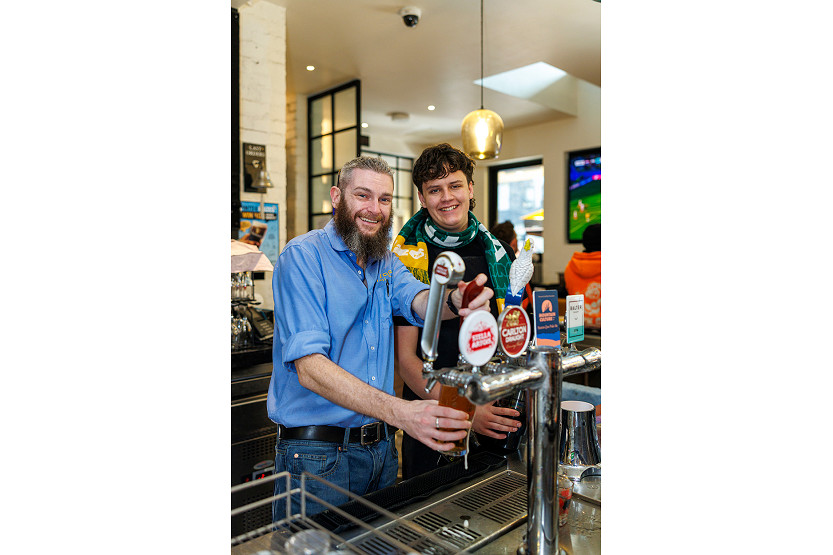
TAP831: Docklands’ local
Tucked away on the corner of Merchant St and 831 Bourke St, TAP831 is something of a rare find in Docklands – a welcoming pub and restaurant that has built a loyal following among the local business community while also becoming a favourite stop before a game or concert at Marvel Stadium.
Read More
Meals with Impact launches free Docklands food market
Renewed push to reclaim Moonee Ponds Creek in Docklands

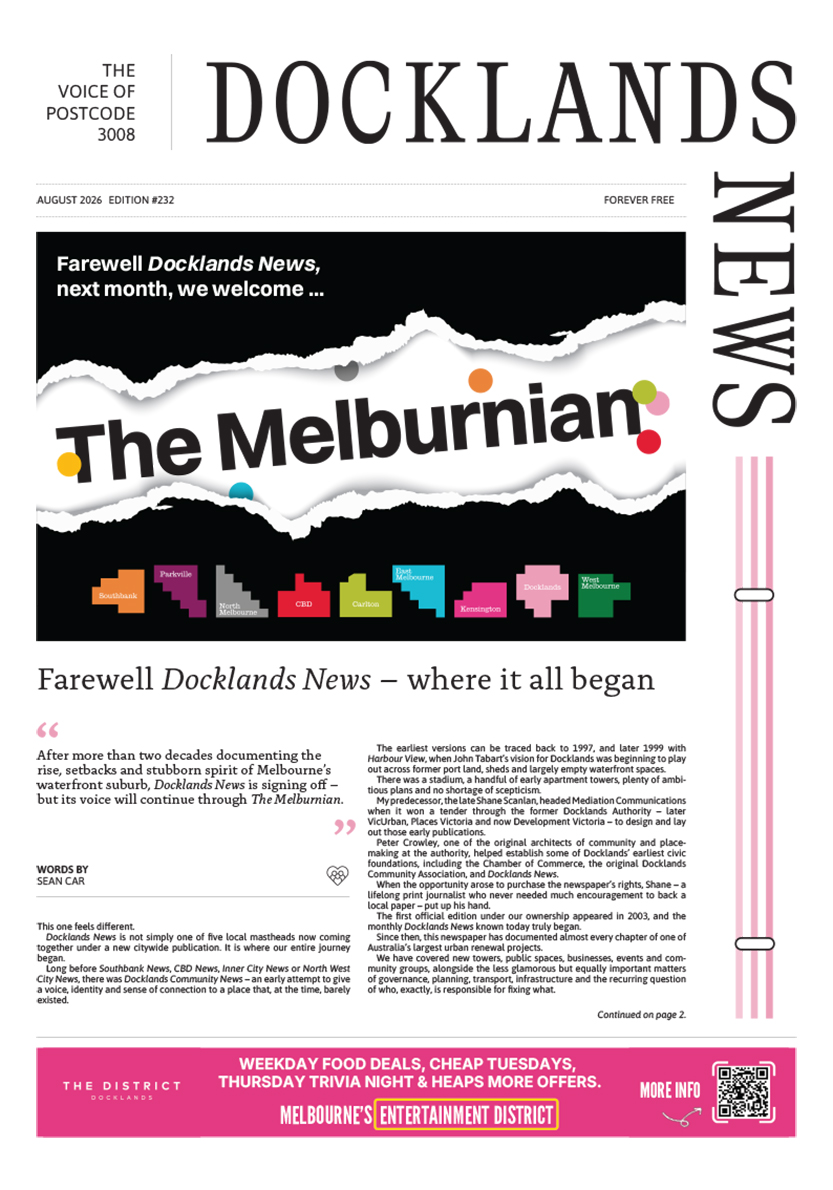 Download the Latest Edition