
The hidden cost of sitting: How to protect your spine and boost your wellbeing
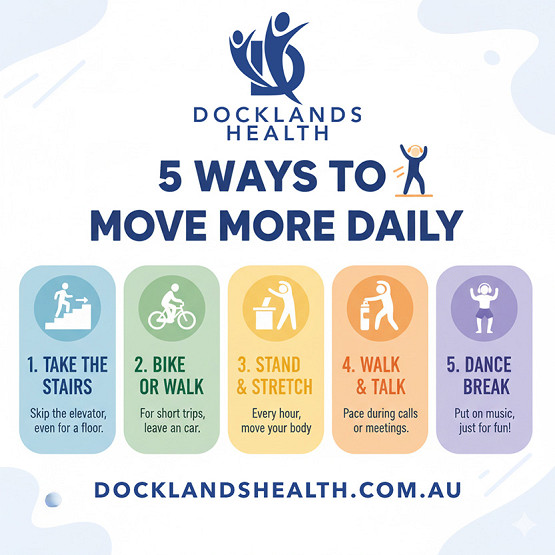

In today’s tech-driven world, most of us spend far more time sitting than our bodies were ever designed for. Whether at the office, in the car, or relaxing at home, prolonged sitting has quietly become one of the biggest threats to our overall health.
At Docklands Health, we see the effects every day – stiff necks, aching backs, chronic fatigue, and headaches. But the good news is that with awareness and consistent action, you can protect your spine, improve posture, and boost your wellbeing.
Why sitting is the new smoking
Research increasingly shows that sitting for long periods can be as harmful to your health as smoking. It slows metabolism, reduces circulation, and places excessive pressure on your spine. Over time, this can cause:
- Neck and back pain from poor posture.
- Tight hip flexors and weak glutes, leading to imbalance.
- Increased risk of metabolic disease and reduced fitness.
- Lower energy and focus due to reduced oxygen flow.
Even regular exercisers aren’t immune – an hour at the gym can’t offset eight hours at a desk. The key is to move regularly throughout the day.
How sitting affects your spine
When you sit, especially while slouched, the natural curves of your spine flatten. The lower back bears extra load while the core and glutes switch off. Over time, this imbalance causes stiffness, tightness, and even changes in spinal alignment.
Many people’s back or neck pain isn’t from one event but the slow strain of poor posture over months or years.
Small changes, big impact
It doesn’t take drastic changes to reverse the effects of sitting:
Break up sitting time: Stand and move every 30 to 45 minutes. A quick walk or stretch relieves tension and boosts circulation.
Set up your desk: Keep your screen at eye level, feet flat, and hips and knees at 90 degrees. Alternate between sitting and standing if possible.
Engage your core: Lightly brace your abdominal muscles while sitting to support your spine.
Stretch regularly: Focus on tight areas such as the hips, chest, and shoulders.
Move with purpose: Outside of work, choose activities like walking, yoga, or swimming to build strength and flexibility.
Chiropractic care and posture support
Sometimes, the effects of sitting go beyond what self-care can fix. At Docklands Health, our chiropractors assess your spine to identify restriction, imbalance, or tension. Through gentle adjustments, soft tissue therapy, and tailored exercises, we help restore healthy movement patterns and long-term spinal health.
Your spine is designed to move
The spine thrives on movement – each joint and muscle relies on motion to stay strong and nourished. Sitting for too long starves it of that essential movement.
If you spend most of your day seated, take it as a sign to check in with your body. Small, consistent changes can transform your spinal health, energy, and mood.
At Docklands Health, we’re here to help you move better, feel better, and live healthier – one adjustment and one movement at a time. •
Related Articles

Australia’s silent back pain burden impacts mental health and the economy
National Spinal Health Month: a healthy spine supports a healthy mind.
Read More
Heart Week 2026: “Never Miss a BEAT” with vital health checks
As Heart Week 2026 kicks off across Australia from May 4 to 10, health experts and the National Heart Foundation are issuing a critical call to action: “Never miss a BEAT”.
Read More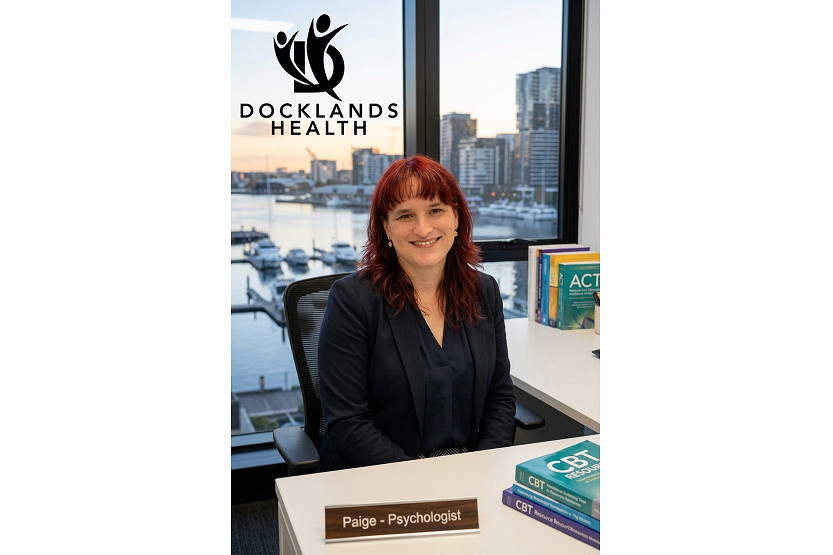
Mental health support returns to Docklands: new specialist joins local health hub
For many residents and professionals in Melbourne’s waterfront district, the departure of a long-standing healthcare provider often leaves a gap that is hard to bridge.
Read More
New street food and entertainment series to boost Docklands this winter

City of Melbourne chief Alison Leighton to take leave as acting CEO appointed

 Download the Latest Edition