
Future Melbourne podcast turns to Fishermans Bend with Guy Naselli

The latest episode of Future Melbourne turns its attention to one of Melbourne’s biggest and most consequential planning stories: Fishermans Bend.
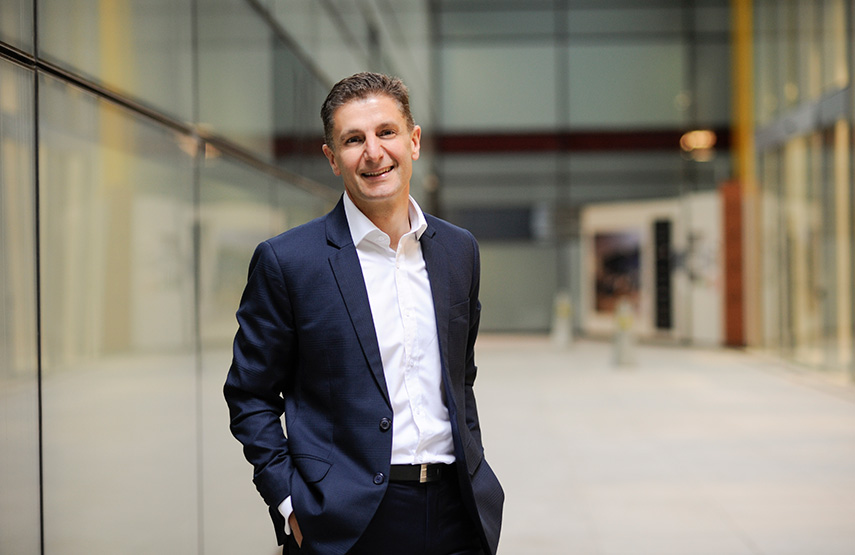
Hosted by Hyperlocal News publisher and editor Sean Car, the new episode features Fishermans Bend Business Forum president and NSL Property Group director Guy Naselli for a detailed discussion about Australia’s largest urban renewal project, and why its future matters not just to the inner city, but to Melbourne and Victoria more broadly.
Stretching across a vast area on Melbourne’s doorstep, Fishermans Bend has long been pitched as a city-shaping opportunity, with the potential to deliver tens of thousands of homes and jobs across five distinct precincts. But as the conversation makes clear, the reality has been far more complicated.
The episode traces the area’s history from an industrial and manufacturing powerhouse into a precinct now expected to accommodate around 80,000 residents and 80,000 workers by 2050. In doing so, it explores why Fishermans Bend is not just another housing story, but a place with deep ties to aviation, engineering, defence, technology and advanced manufacturing.
Naselli, who has worked in commercial property in and around the precinct for many years, also speaks about the role of the Fishermans Bend Business Forum and what existing businesses are saying as planning delays and uncertainty continue to shape confidence on the ground.
A major focus of the episode is the legacy of the 2012 rezoning under then planning minister Matthew Guy, a pivotal decision that opened up the precinct to major development but did so without fully resolving key infrastructure questions first. The conversation examines how that moment unlocked interest and rising land values, while also laying the groundwork for many of the delivery problems that still linger today.
The podcast also provides listeners with a useful walkthrough of Fishermans Bend’s five precincts: Montague, Sandridge, Wirraway, Lorimer and the Employment Precinct. That geography matters, because not all parts of Fishermans Bend are moving at the same pace. Some areas, especially Montague, have made visible progress, while others remain stalled or hampered by uncertainty around transport, contributions and land use.
Transport emerges as perhaps the central theme of the discussion.
From long-promised tram links to the still-unfunded Metro 2 rail line, the episode asks whether a precinct of this scale can ever deliver on its promise without genuine public transport commitments. It also explores what the latest transport plan means, why Montague has moved faster than other areas, and how much confidence could shift if government finally committed to the next major transport pieces.

The conversation also touches on the Auditor-General’s findings that delivery is not on track, the challenge of translating long-term vision into real projects, and the ongoing importance of the Employment Precinct around the former GMH site, particularly if Melbourne wants Fishermans Bend to become a true innovation and jobs hub rather than simply another apartment district.
Like other episodes in the Future Melbourne series, the aim is not just to diagnose the problem, but to ask what happens next.
Naselli is given space to reflect on what practical priorities should come first, from transport and governance to open space, business confidence and the need for clearer planning certainty.
For anyone trying to understand why Fishermans Bend has felt full of promise yet slow in delivery, this episode shapes as one of the podcast’s most substantial conversations yet.
The latest episode of Future Melbourne is available online now, with the full video also available on YouTube.
Related Articles
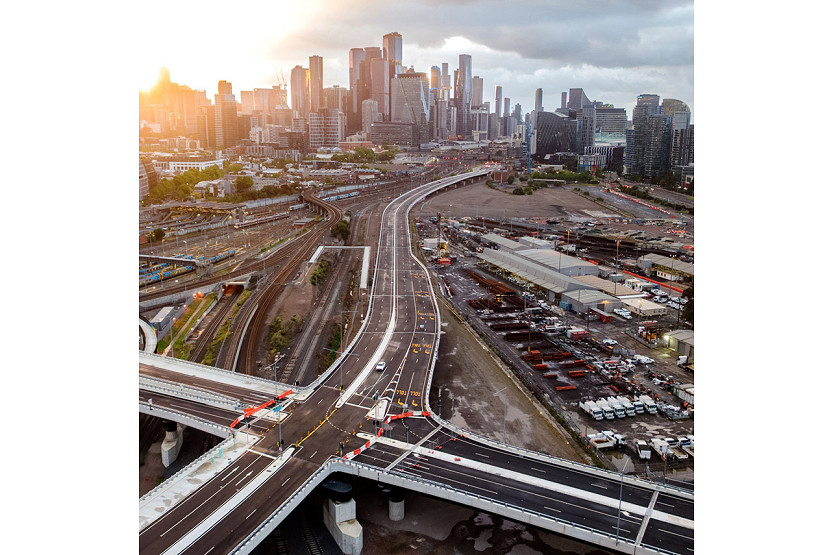
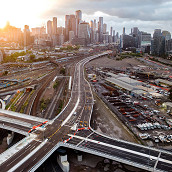
Tram bridge to E-Gate still possible despite West Gate Tunnel fears
A long-mooted tram connection linking West Melbourne to E-Gate and Docklands remains technically feasible despite the construction of the West Gate Tunnel Project’s Wurundjeri Way extension, Docklands News can reveal.
Read More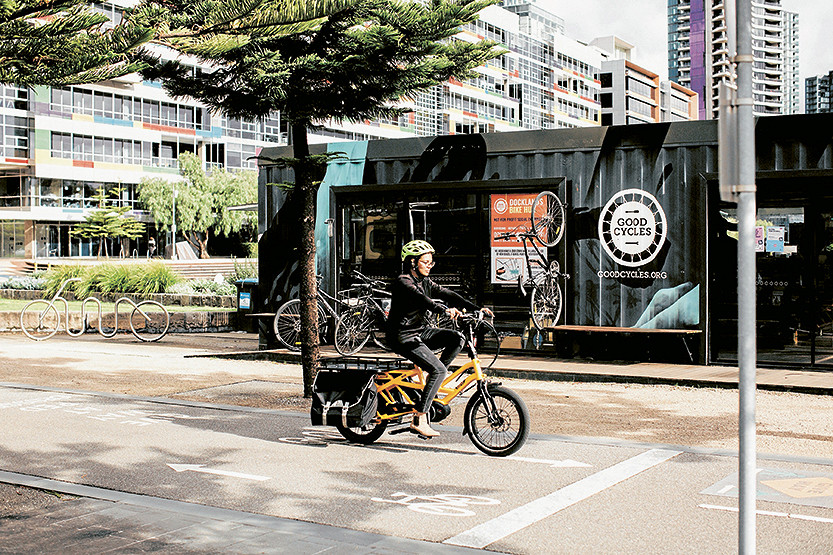
Good Cycles departs Docklands bike hub after decade on Harbour Esplanade
The Good Cycles bike hub on Harbour Esplanade has closed after almost a decade in Docklands, opening up a new opportunity for the City of Melbourne and Development Victoria to rethink one of the waterfront’s most visible small-scale activation sites.
Read More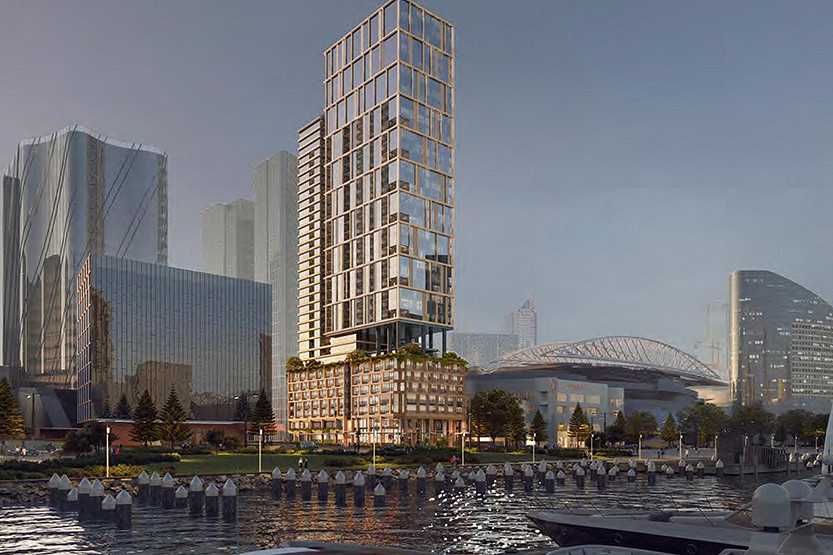
State approves major Docklands build-to-rent tower near Marvel Stadium
The Victorian Government has approved a major new build-to-rent tower in Docklands, giving the green light to a 554-home rental project at 699 La Trobe St in another sign of the precinct’s growing role in Melbourne’s expanding BTR market.
Read More
From one café client to 60 brands: The growth of Born Social
Tram bridge to E-Gate still possible despite West Gate Tunnel fears

 Download the Latest Edition