
City of Melbourne to advance Safe City Camera Program reforms amid safety concerns and rising crime
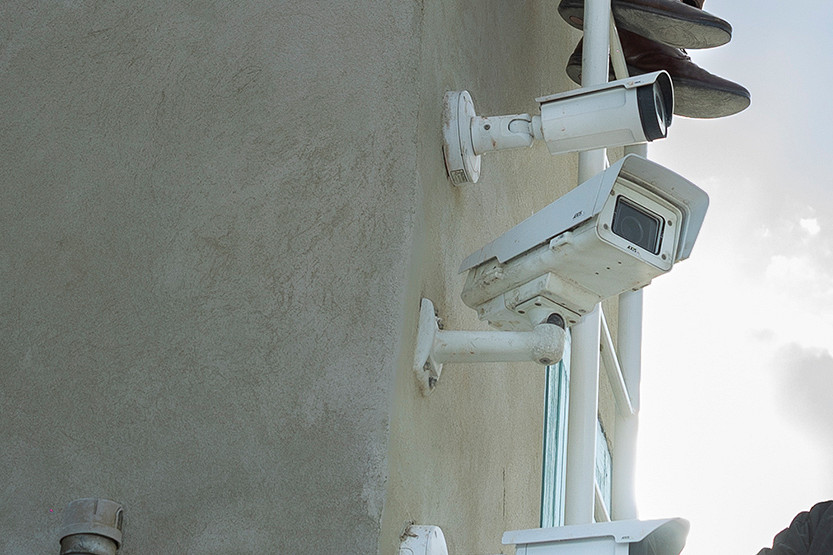

The City of Melbourne’s extensive CCTV network is set for a major overhaul, as councillors received a key update on the Safe City Camera Program (SCCP) at the July 29 council meeting.
The report outlined a phased plan to maintain and expand the program while also introducing new policy reforms, including the controversial use of surveillance footage by council officers for local law enforcement.
Established in 1997, the SCCP has grown from 23 cameras to 328 across 126 city locations and is credited with helping Victoria Police identify thousands of criminal offences. According to the council report, between 2018 and 2024, the system observed or responded to nearly 37,000 incidents – with more than 10,000 referred to police.
However, with perceptions of safety in the city declining, the City of Melbourne has committed to bolstering its public safety infrastructure. According to the council’s 2024 Social Indicator Survey, just 48 per cent of people now feel safe in the city at night, down from 82 per cent in 2022/23.
The council’s 2025–26 budget has allocated $1. 56 million to upgrade the existing CCTV network, with the Victorian Government contributing $3.6 million over two years to expand coverage. More than 100 new cameras are planned, following public calls for greater surveillance in high-traffic and high-risk areas.
Lord Mayor Nick Reece has previously described the SCCP as “one of the most effective in the country” and said expanding the network was necessary to keep pace with the city’s growing safety needs.
Phase one of the program – already under way – involves essential hardware upgrades and the development of a new SCCP Policy to guide how the system is used. The new policy is expected to broaden the program’s scope, allowing council-authorised officers to access footage for investigations into illegal dumping, graffiti, vandalism and other breaches of local laws.
The report notes that these changes would make investigations more efficient and reduce costs to ratepayers.
Future phases will focus on expanding camera coverage to more locations and assessing the use of artificial intelligence and video analytics to enhance monitoring.
Docklands is currently home to around 10 Safe City cameras, which are predominantly located along Harbour Esplanade and areas surrounding Southern Cross Station.
Council officers are currently working with legal experts to ensure all proposed changes meet human rights and privacy obligations under state law.
A draft policy will be tabled at the September 16 Future Melbourne Committee meeting, with public consultation to follow. The final policy is due for endorsement in November.
While most councillors have backed the reforms, some – including Cr Dr Olivia Ball – have previously raised concerns about cost-shifting from the state government and the potential for overreach.
The July 29 meeting will be the first step in a months-long process to finalise the city’s approach to public surveillance, with councillors to consider the report and initiate the next stage of policy development. •
Related Articles
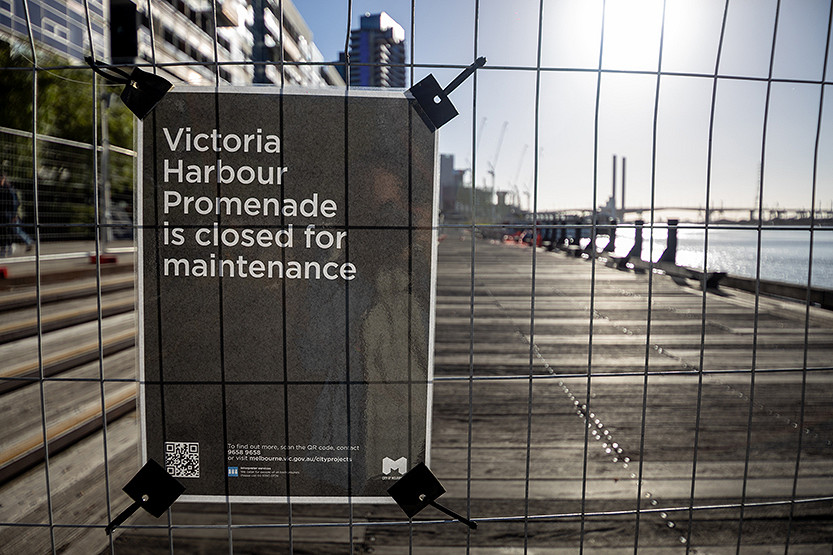
Victoria Harbour closure to stretch through 2026 as wharf damage proves worse than first feared
Docklands residents and visitors are facing a far longer disruption to one of the precinct’s key waterfront spaces, with the City of Melbourne confirming that parts of Victoria Harbour Promenade will remain closed for the rest of 2026 after further testing revealed the wharf structure is in worse condition than first understood.
Read More
From one café client to 60 brands: The growth of Born Social
Tram bridge to E-Gate still possible despite West Gate Tunnel fears

 Download the Latest Edition