
ATET case circles back as City of Melbourne’s amended defence revives old admissions
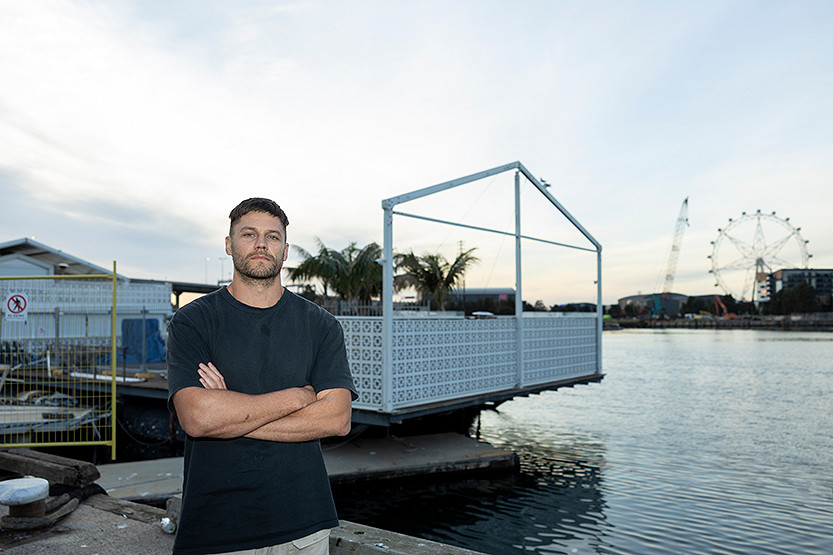

The City of Melbourne’s latest pleadings in the $7 million Supreme Court battle over Docklands venue ATET suggest the case has come almost full circle, raising fresh questions about why so much court time was burned in April on a position the council now appears to have largely abandoned.
Filed and sealed on April 28, the council’s further amended defence responds to ATET’s third further amended statement of claim and again contains substantial admissions around the venue’s termination.
That is significant because it was precisely this issue that sent the trial into confusion in April.
As previously reported by Docklands News and sibling publication CBD News, the council’s barrister told Justice Matthew Connock on April 21 that the City admitted liability on the plaintiffs’ pleaded claim. Two days later, after a failed mediation, the council returned to court trying to explain that the admission was narrower than it had sounded, insisting that while it accepted the unlawfulness of the termination, there remained important matters it still denied.
That led to a visibly strained exchange with the judge, who described the situation as “unsatisfactory” and directed the parties to clarify their admissions and denials in writing.
The amended defence now filed appears to do what many suspected the council should have done earlier: substantially revert to its original position, while still preserving room to fight over damages and some surrounding factual disputes.
Among the most important concessions, the City again admits it terminated the licence by relying on alleged exceedances of EPA noise protocols. It admits receipt of the plaintiffs’ mitigation proposals on June 22, 2023. And, most strikingly, it now admits that the purported termination was invalid, while continuing to deny the plaintiffs’ claims as to loss and damage.
That is a major point. If the termination was invalid, then the central issue is no longer whether ATET merely had a grievance about how it was treated. It becomes whether the council unlawfully shut down a business and is now trying to limit the financial consequences.
The council is now much closer to the wide-ranging admission it made on April 21 than to the narrower position it awkwardly tried to advance two days later.
If so, the obvious question is why the case was not effectively narrowed then and there.
Instead, the court was forced through a messy, part-heard detour that appears to have achieved little other than delay, and added legal cost and further reputational damage to the council.
That question becomes sharper in light of the role of City of Melbourne CEO Alison Leighton.
As noted in April, Ms Leighton sat at the centre of the key decision-making period as acting CEO and then permanent chief executive. She signed the critical June 23, 2023 termination letter, and it was increasingly apparent during the trial that the plaintiffs wanted to cross-examine her on the council’s conduct, including what it knew, when it knew it, and why the licence was terminated when it was.
As reported elsewhere in this edition, councillors unanimously endorsed the City’s general infrastructure and amenity manager Rick Kwasek to act as CEO at the May 26 council meeting while Ms Leighton takes leave from June 26 to August 7. The ATET case is due back in court in August.
Ratepayers now face not just the risk of a large compensation bill, but the possibility that the City prolonged a case that should have been substantially narrowed weeks ago. The amended defence does not end the litigation. Quantum remains live, and so do some contested factual issues. But it does reinforce the central impression left by the last court hearing: the council spent valuable time trying to dance around an admission it was always going to have to wear.
That is what makes this latest development so politically awkward.
The council appears to have landed back near where it began, only after the Supreme Court was forced through an avoidable procedural mess and after public confidence in its handling of the matter was further eroded. If the key admission was always going to be made, then the wasted time in April becomes harder to justify.
The longer the matter drags on, the harder it becomes for the City to explain why it has taken this route. The August return to court may yet clarify whether Ms Leighton is finally required to give evidence, and whether the case can at last move cleanly to damages. •
Related Articles
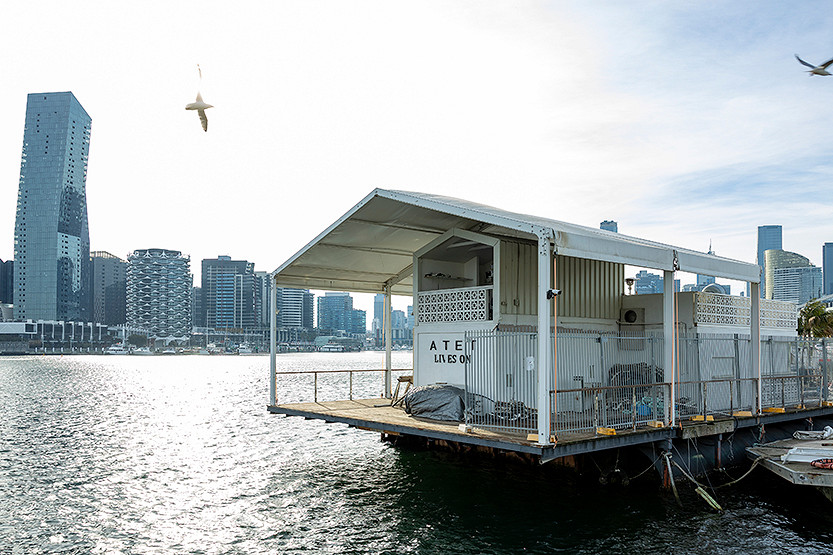
ATET case due for court soon as barge remains berthed at North Wharf
A trial date is expected to be confirmed soon for ATET’s long-running legal case against the City of Melbourne, marking a significant step forward nearly three years after the Docklands floating venue was forced to close.
Read More
VCAT ruling limits OCs’ ability to manage their buildings
A recent tribunal ruling has sparked widespread concern among apartment owners, after it effectively stripped owners’ corporations (OCs) of their ability to take disputes to the Victorian Civil and Administrative Tribunal (VCAT) without first securing a supermajority.
Read More
Convicted sex offender behind Docklands massage business avoids jail, again
A registered sex offender living in Docklands has narrowly avoided jail time after being convicted of five new offences in the Melbourne Magistrates’ Court last week – sparking renewed concern over Victoria’s laws allowing sex offenders to continue working in the adult industry.
Read More
Dom Dolla sellout delivers another boost for Docklands

Little India precinct debate puts Docklands’ future in sharper focus

 Download the Latest Edition