
Renewable energy in apartments: why this parliamentary inquiry matters for Docklands
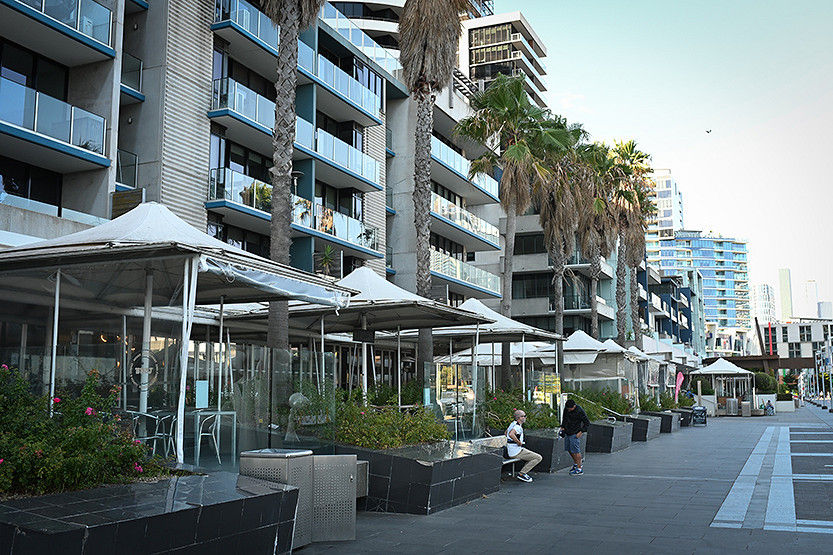

The Victorian Parliament is currently conducting an inquiry into renewable and affordable energy for apartments and multi-unit dwellings.
For high-rise precincts like Docklands, the stakes are significant.
Docklands residents don’t need to be told that apartment living is different from detached housing – we deal daily with shared infrastructure, embedded networks and collective decision-making. But policymakers do need to clearly understand those differences.
This starts with a fundamental reality: apartment owners carry dual exposure to energy costs. We pay for electricity within our own apartments and, through owners’ corporation (OC) levies, we also fund common property consumption – lifts, corridor lighting, car park ventilation, shared plant and, in some buildings, centralised hot water systems. When energy prices rise, both streams are affected.
Within our individual apartments, costs can arguably be managed to some extent through behaviour – purchasing efficient appliances and being mindful about heating and cooling. But building design and shared systems also shape consumption patterns. Many Docklands towers lack double glazing, meaning thermal performance is not just a comfort issue; it directly drives energy demand and cost. Individual choice can also be constrained. In buildings operating embedded networks, residents may have limited or no retail choice. Decisions about rooftop solar or shared battery systems sit with the OC and require collective approval. Special resolutions, debates about cost allocation and long-term maintenance implications are all part of that process.
The second part of the dual cost burden comes from common property. Here, energy procurement adds another layer of complexity. Detailed consumption data is often limited – for example, how much energy are the chillers actually using? At the same time, OCs are typically treated as commercial customers when purchasing electricity. This requires periodic engagement in complex, multi-year supply contracts. Committees – time-poor and rarely specialists in energy markets – must negotiate with retailers and intermediaries who hold far greater information and bargaining power.
Owners’ Corporation Network (OCN) has made a submission to the inquiry highlighting these and many other issues that shape the apartment energy experience. The central message is clear: apartment communities need deliberate, strata-focused policy responses – not policies designed for detached houses and simply adapted. We need tailored options for shared solar (including emerging balcony or plug-in models), batteries, bulk procurement and clearer governance pathways for sustainability upgrades. These solutions will only work if they are aligned with governance realities, ownership mix and the operational complexity of high-rise buildings.
This inquiry is more than a climate discussion. It is about fairness, affordability and whether apartment communities like Docklands will have equitable access to renewable energy and meaningful consumer protections. If policy gets this right, high-rise residents won’t be an afterthought in the energy transition – we’ll be properly included in it.
To subscribe to updates from Owners’ Corporation Network: ocn.org.au •
Related Articles
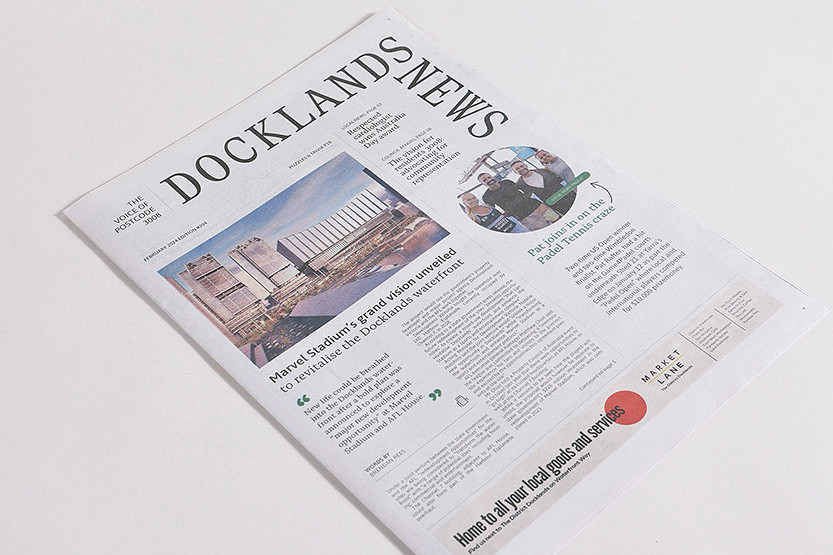
Vale Docklands News – welcome, The Melburnian
In late 2016 – nearly 10 years ago – I wrote my first SKYPAD Living column for Docklands News.
Read More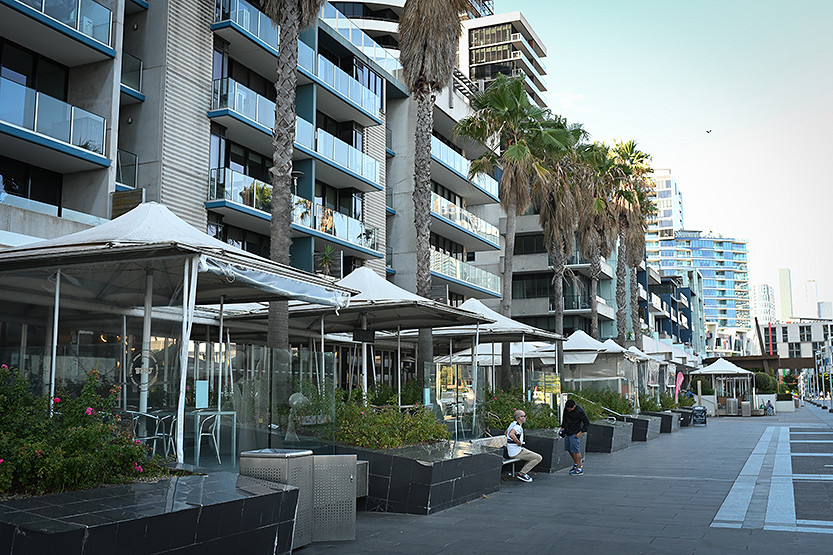
Expressions of interest: FREE electrification assessments for eligible apartment buildings
Interest in apartment building electrification is growing, but understanding what electrification means for a particular building – the benefits, challenges and practical pathways – requires careful consideration.
Read More
Option A or B – calls for Docklanders’ opinions
Apartment living seems finally on the radar of governments, planners and researchers alike.
Read More
Pam the Bird disappears from Bolte Bridge following chaotic Docklands scenes

Meals with Impact launches free Docklands food market

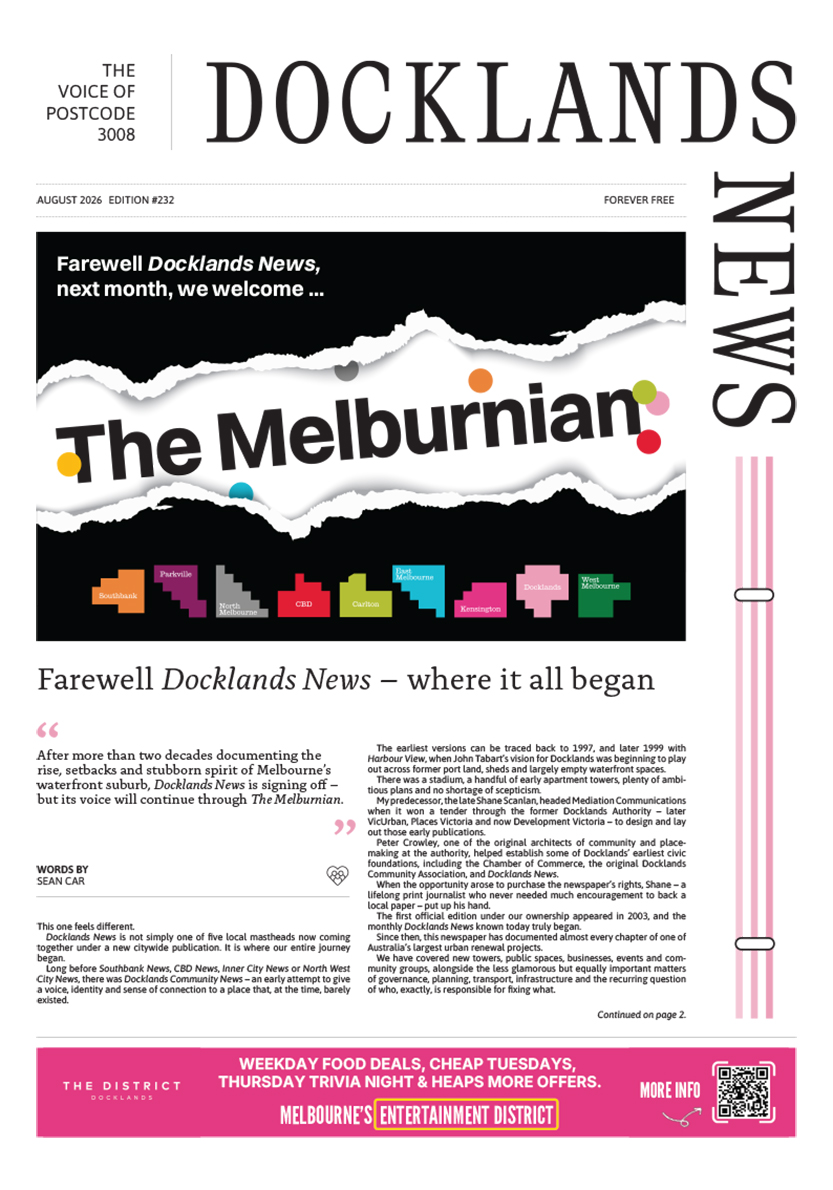 Download the Latest Edition