
Reflections from an original Docklander
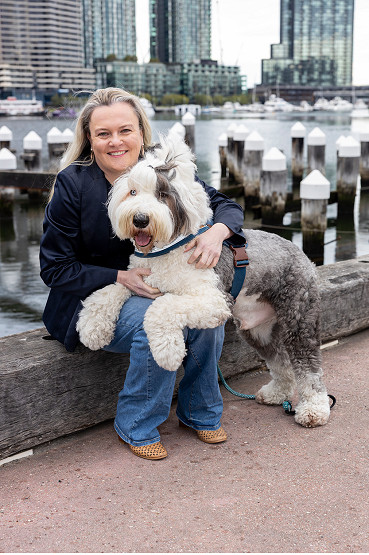
I arrived in Docklands in 2002, just minimally after it was recognised as a suburb and barely more than a geographic map pointer for Colonial Stadium.
Still, I could see the potential. Barely one kilometre from the heart of Melbourne’s CBD and positioned on Victoria Harbour, surely it would thrive.
Early on the opinions were stark – it’s cold, it’s windy, there’s nothing there. However, I stayed strong and started to frequent the new restaurants and bars. Within a few years towers were added and so came the next evolution of the detractors – Docklands is soul-less, it lacks an identity. However, I could still see the potential and I loved the eclectic mix of businesses and people.
We had our bustling years without direction, maximum workforces coming in daily, large-scale activations, restaurants and bars doing well and the reincarnation of The District Docklands. Then COVID threw a spanner in the works – the advent of the keyboard warrior, the two-day office week and the cries of the vocal minority meant that Docklands truly lacked an identity and a purpose.
Ironically though, one of the greatest farcical episodes of Docklands existence could lead to the creation of its identity. Central Pier, an eyesore for the past five years and no doubt a headache for Development Victoria, could, in its destruction, lead to a resident driven identity for Docklands.
Every person I speak to says the Harbour is far better as it is right now. A recent article by former City of Melbourne councillor Jamal Hakim, suggested simplicity and I agree. Docklands doesn’t need huge activations; it doesn’t need a landmark building in the Harbour.
It needs resident and visitor driven happiness – simple features. Some grass along the esplanade, garden beds with seasonal flowers, a piece of artwork or two, fishing off the foreshore, floating wetlands, kids play spaces, picnic tables – an oasis for the workers that populate our suburb and more importantly an identity for the residents. A perfect space to accommodate our seasonal events and serve the community needs when not activated.
It most certainly does not need more failed community consultation (such as the infamous summit). Nor does it need tenders to go out and hypothesise on some monstrous harbour feature that we’d see in 2040. Improve Docklands a little, leave it to the people who’ve paid their rates, bills and have attended the local restaurants weekly.
Respect that Docklands is now 75 per cent derived from other ethnicities and is family centric. We’ll find our own treasured identity and evolve into a place to be envied. •
Related Articles
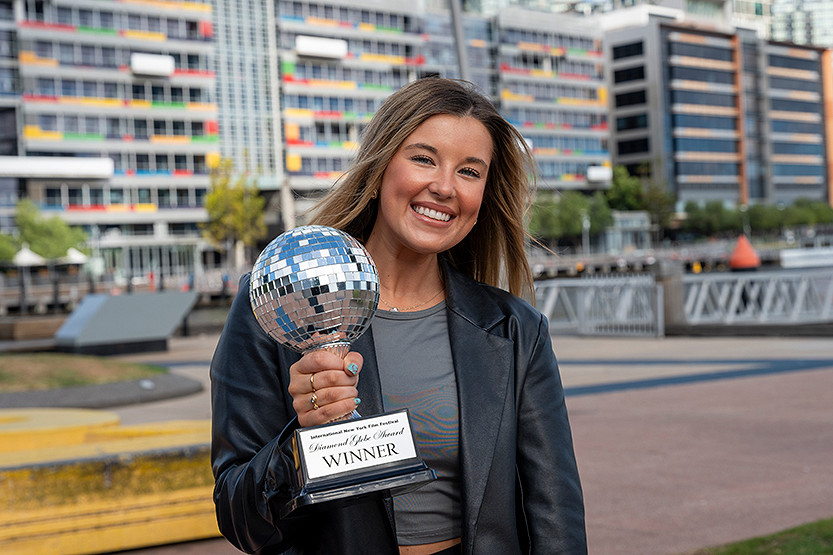
Docklands filmmaker Emily-Kate Murphy returns from New York with major award for debut feature
For Docklands resident Emily-Kate Murphy, a recent trip to New York ended with more than just festival memories.
Read More
Docklander resident Fini Liu brings bilingual historical comedy to the Melbourne stage
As the Melbourne International Comedy Festival unfolded, Eighteen Lives (祖宗十八代) offered audiences a rare bilingual work that blended historical reflection, emotional depth and understated humour.
Read More
Docklands actor Eliza Hall skating towards a screen career
For Eliza Hall, performance has always felt like home.
Read More
Pam the Bird disappears from Bolte Bridge following chaotic Docklands scenes
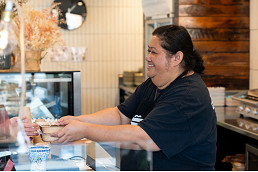
Meals with Impact launches free Docklands food market

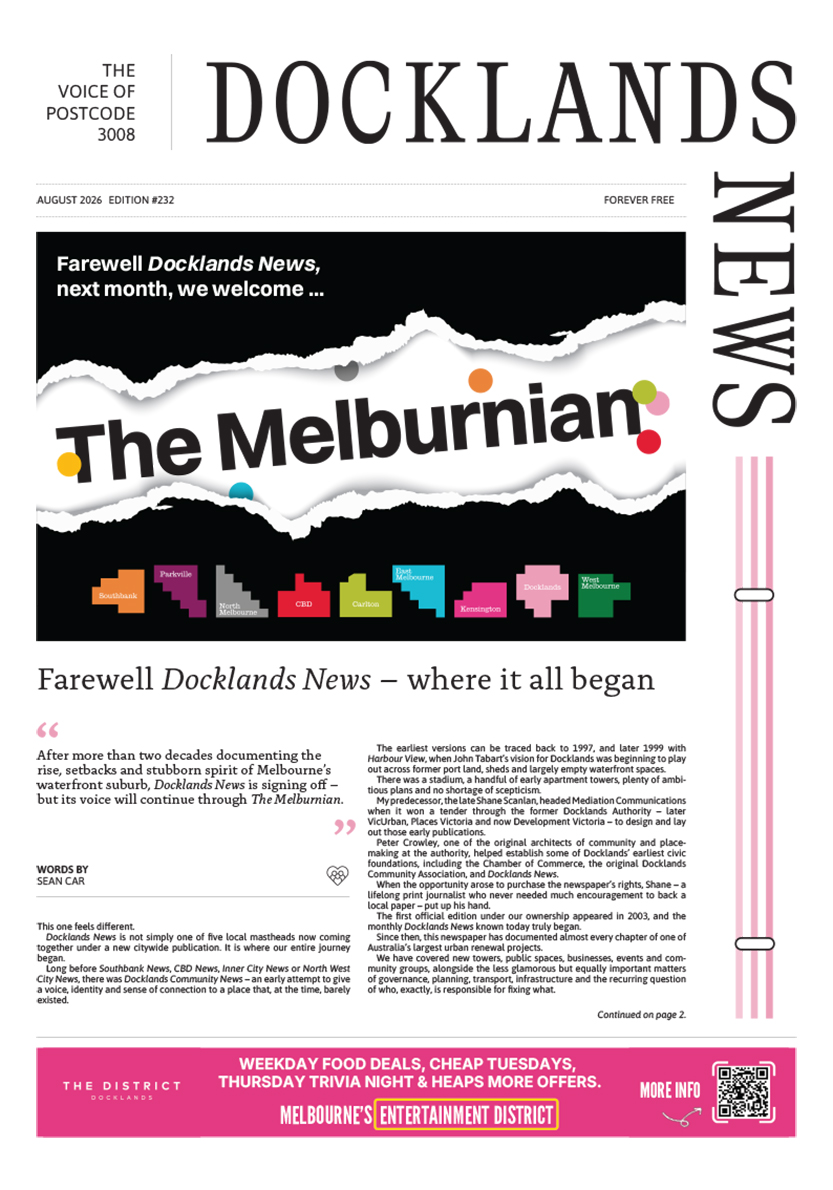 Download the Latest Edition