
Fractal Studios brings new creative energy to Docklands
A new artist-led studio in Docklands is aiming to help unlock the precinct’s creative potential through workshops, installations, gatherings and experimental public-facing art.
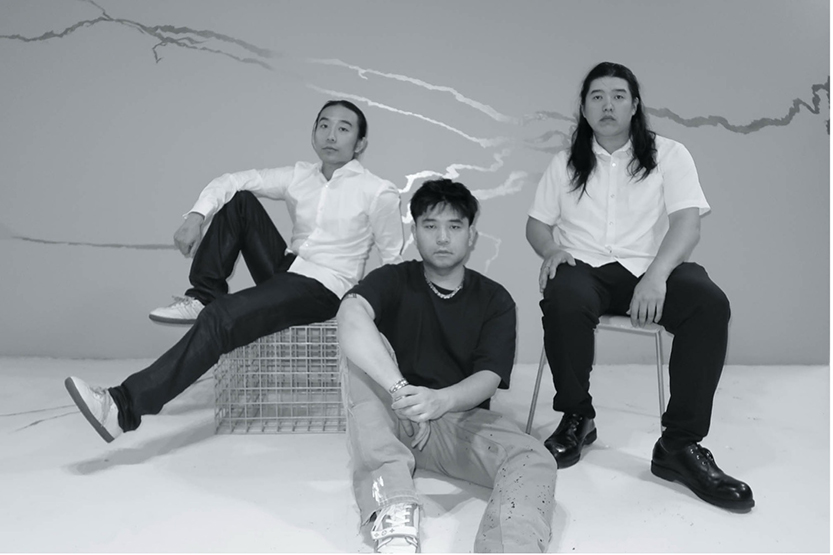
Fractal Studios, based at 377 Docklands Drive, has been founded by Aaron Zhang, Charlie Xiao and Nicholas Gao, who also work together under the creative collective PLANAR.
The trio describe Fractal as a small, flexible art and event space designed to bring together artists, makers and curious locals through immersive, participatory experiences across music, fashion, art and technology.
For Docklands, a suburb still working to define its creative identity, the arrival of Fractal Studios represents a welcome addition.
While the Docklands Public Art Trail has brought notable works to the precinct, including the well-known Cow Up A Tree, the area has not always been recognised as a major hub for grassroots creativity. Fractal’s founders hope to explore what more is possible.
“Right now, we’re interested in what it means to activate Docklands through art,” Aaron said.
Not in an obvious way, but something quieter, more sensory. Smaller formats, closer proximity, more exchange, engaging all senses.
That idea sits at the heart of Fractal’s mission. Rather than operating as a conventional gallery or fixed event venue, the studio is intended to be a living program, moving between creating, curating and collaborating.
Its early offerings include TEACH WITH US, an ongoing peer-led program that shifts away from traditional instruction and towards participation. The program invites artists, creatives and free thinkers to co-produce workshops, talks and classes, allowing participants to move between learning, contributing and sharing knowledge.
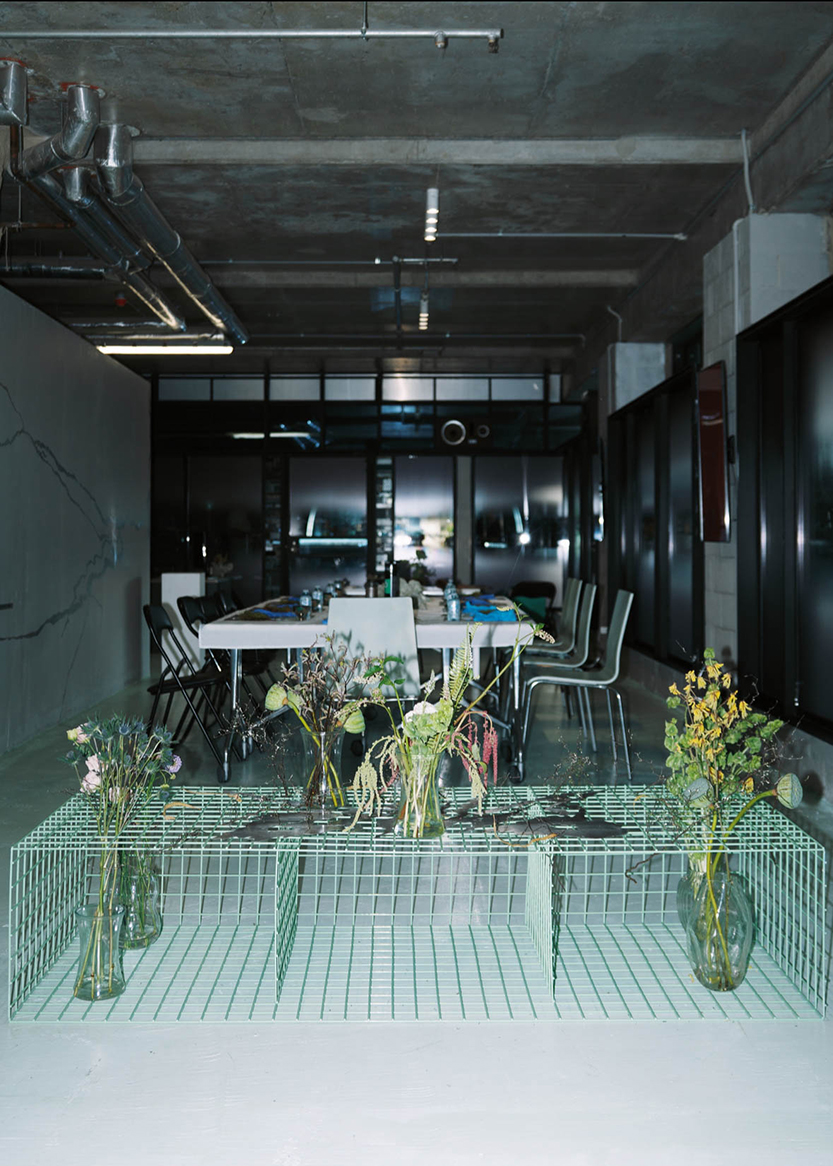
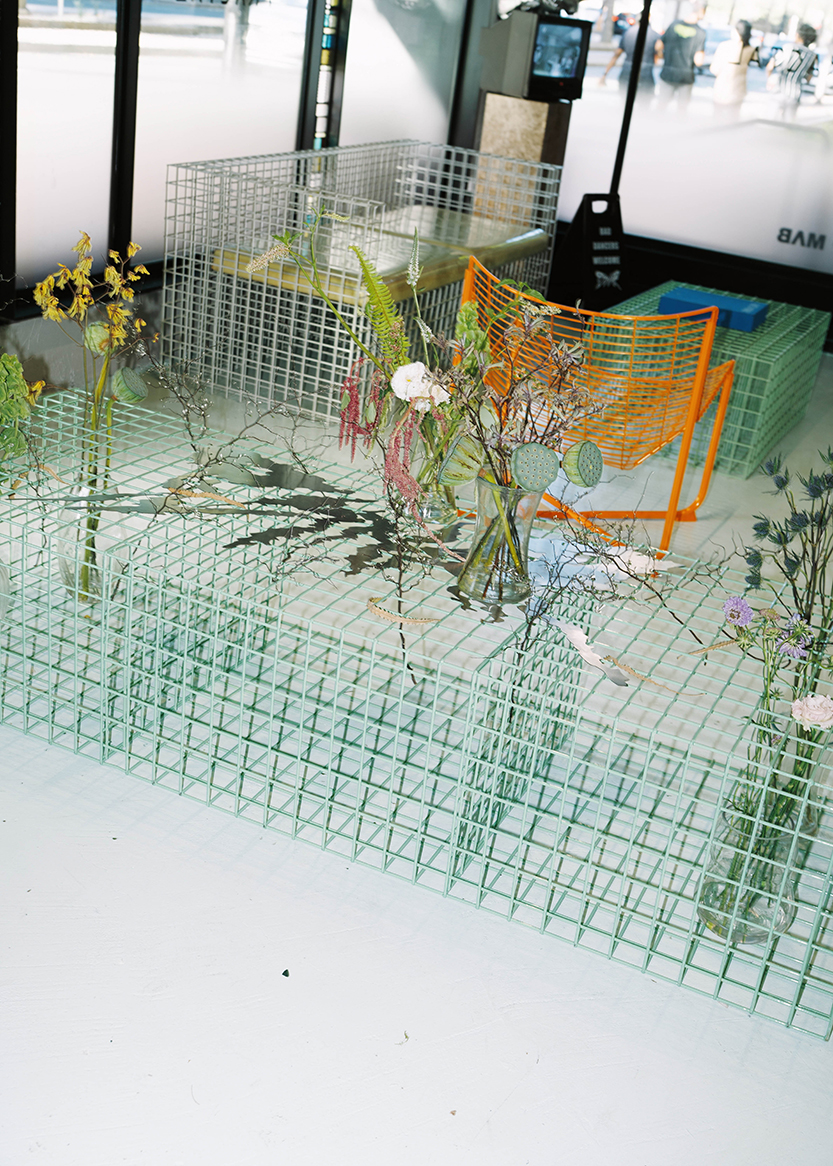
Another program, BOTANICA-001, offers an ultra-contemporary take on ikebana, the Japanese art of flower arrangement. The workshop reworks the traditional form into spatial composition, approaching flowers and natural materials through a sculptural lens.
The founders are also inviting artists and organisers to pitch their own ideas for the space, with Fractal able to move quickly from concept to delivery. According to the team, most events can be developed and launched within about two weeks, with profits generally split evenly between Fractal and the organiser.
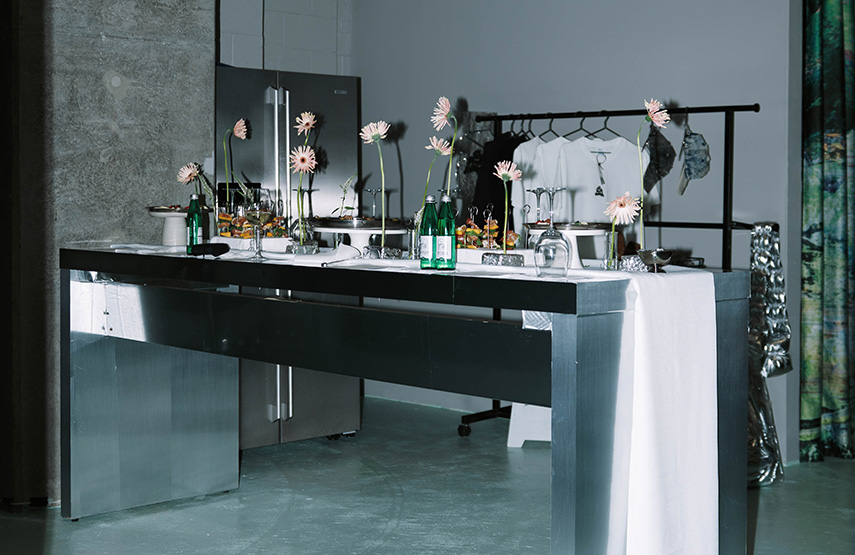
The studio itself is around 130sqm, with high ceilings, a minimalist layout and capacity for up to 50 people. Its simple design is deliberate, allowing different artists and facilitators to transform the space for photo shoots, pop-ups, workshops, markets, exhibitions and intimate gatherings.
A large glass window facing the street also gives passers-by a glimpse inside, creating a more open and inviting connection between the studio and the neighbourhood.
Charlie, Aaron and Nicholas all have long-standing connections to Docklands and said they chose the area because they had “good memories” associated with it and believed there was “a lot of opportunity here”.
They also point to the closure of Testing Grounds in early 2025 as leaving a gap in Melbourne’s network of accessible creative spaces. Fractal Studios, they hope, can help fill that void in its own way.
Charlie’s earlier project, Spread Art Not Viruses, also informs the studio’s thinking. Created during COVID, the campaign invited creatives to contribute work online and through augmented reality, turning isolation into a distributed collective art experience.
At its core, Fractal is about bringing people together through art and testing new formats for creative exchange.
For Docklands, where identity has often been shaped through development, events and waterfront planning, spaces like Fractal offer another possibility: a more local, experimental and artist-led future. •
Related Articles
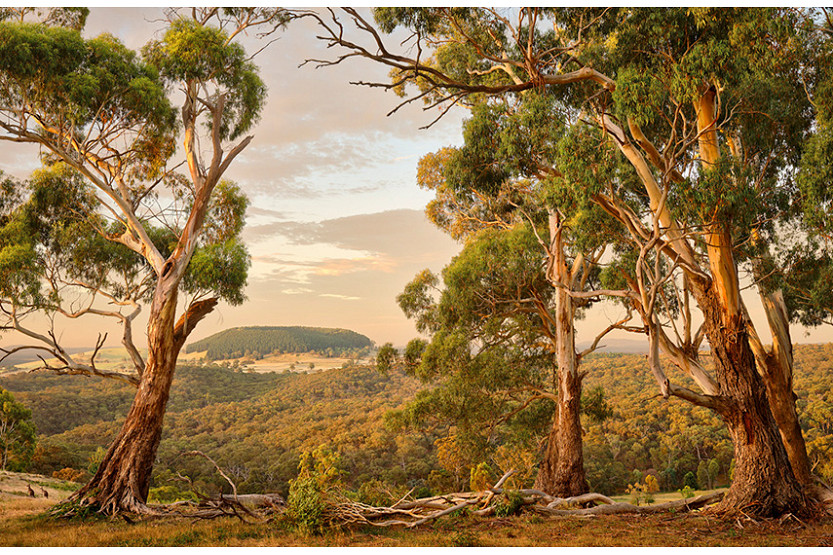
XYZ turns lens on Victorian landscape in new exhibition
Docklands’ hidden photo gallery XYZ is turning its focus to the Victorian bush with a new exhibition exploring landscape, process and place.
Read More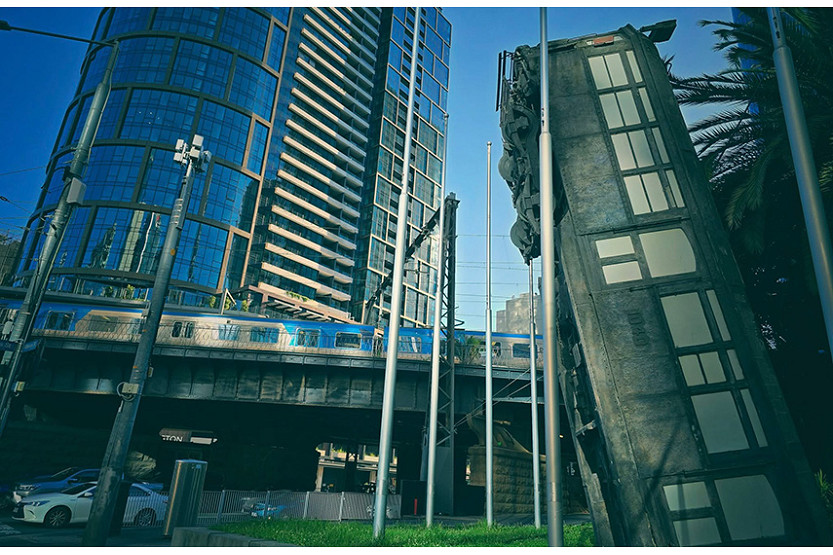
Melbourne farewells iconic upside-down tram artwork on Spencer St
One of Melbourne’s more quirky and recognisable public artworks is set to disappear from the edge of Docklands, with the City of Melbourne confirming it will remove Raising the Rattler Pole from the corner of Flinders and Spencer streets this month.
Read More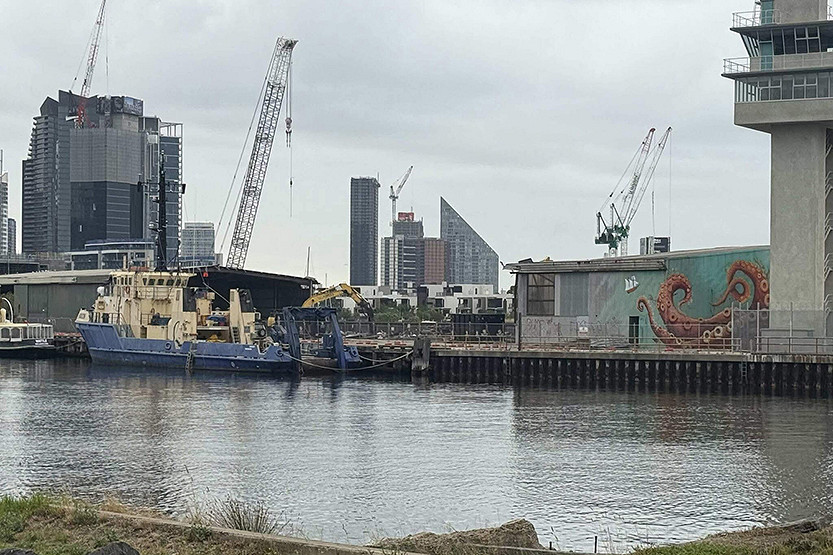
Docklands octopus mural removed as North Wharf redevelopment progresses
Docklands’ much-loved octopus mural at North Wharf has now been removed as part of the redevelopment of the wharf, ending the run of one of the precinct’s more distinctive pieces of public art.
Read More
New street food and entertainment series to boost Docklands this winter
City of Melbourne chief Alison Leighton to take leave as acting CEO appointed

 Download the Latest Edition