
Docklands needs a budget that plans for the community it is today
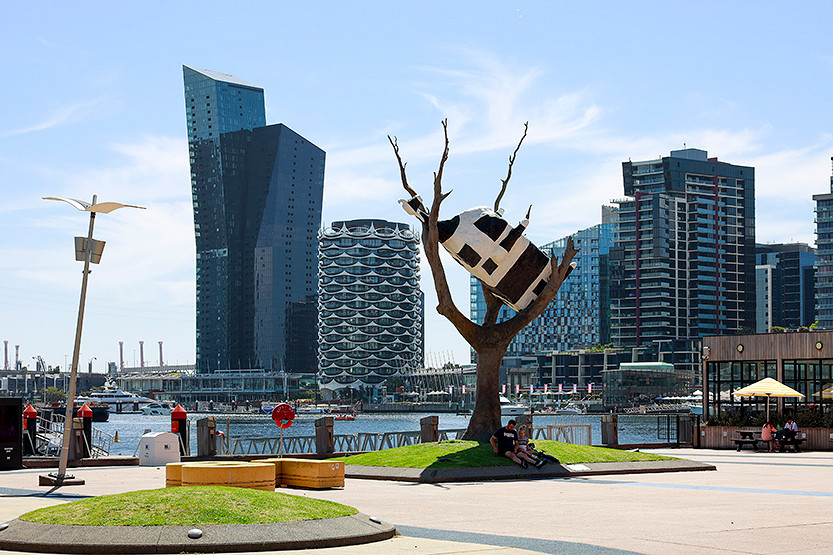
Docklands is no longer a future suburb. It is a living, growing community.
Every year, more residents, families, workers, visitors and small businesses make Docklands their home. The precinct holds enormous potential, not only as a residential neighbourhood, but as one of Melbourne’s most distinctive waterfront communities.
That is why the City of Melbourne’s 2026-27 budget matters. For Community3008, the question is simple: will this budget help Docklands grow with purpose, or will it allow the suburb to continue evolving through disconnected, ad hoc decisions?
Our submission to the draft budget focuses on four priorities that have consistently emerged through community engagement: family liveability, a strategic approach to our waterways and Harbour Esplanade, a pet-friendly community, and greening Docklands.
At the heart of this is Harbour Esplanade and Victoria Harbour. Harbour Esplanade should be one of Melbourne’s great civic spaces, linking the CBD to the water and supporting tourism, hospitality, recreation and community life. But without a contemporary master plan, there is a real risk the area will continue to be shaped by one-off projects and short-term decisions.
Community3008 is calling for the immediate start of a Harbour Esplanade Master Plan, alongside a broader Victoria Harbour Master Plan. These plans should be developed with the City of Melbourne, Development Victoria and the Docklands community, and should consider the full waterfront experience, including Victoria Harbour Promenade and NewQuay Promenade.
This matters because Docklands’ water is not empty space waiting to be filled. It is the defining feature that makes this suburb different. Any major decision affecting Victoria Harbour should happen within a proper planning framework and with genuine local consultation.
Docklands also needs a more deliberate approach to parks, recreation and open space. As the population grows, so too does the need for places where children can play, families can gather, residents can exercise and dog owners can responsibly enjoy public space.
The suburb has limited remaining open space, which means every part of it matters. Areas that are currently underused, such as parts of North Wharf or land near Moonee Ponds Creek, should be planned with imagination and care. They could become nature trails, Indigenous history pathways, informal recreation spaces or community activity areas.
We also need to look honestly at whether Docklands has enough accessible play areas for younger children. Ron Barassi Snr Park is important, but it does not meet every need, especially for families in NewQuay and other parts of the suburb. Smaller interventions such as flexible play spaces, moveable cricket nets or better use of low-traffic spaces could make a real difference.
A maturing suburb must also balance the needs of children, families and pet owners. Docklands has many residents with dogs, and that is part of the community’s character. But planning must also protect safe, hygienic and welcoming environments for children. That balance requires review, planning and investment.
Greening Docklands is another essential priority. In a suburb dominated by high-rise buildings, hard surfaces and exposed waterfront spaces, greening is not decorative. It is infrastructure for liveability.
More trees, canopy cover, native gardens, pocket parks, green promenades, rooftop and balcony greening, and better seating can reduce heat, improve biodiversity and create a stronger sense of place. Docklands should be clearly included in the city’s greening programs.
The floating wetlands trial in the Yarra River and Victoria Harbour is a good example of the kind of practical, nature-based intervention that should be made permanent and expanded. If the trial has worked, the next step should be maintenance, protection and growth.
There are also basic maintenance issues that cannot be ignored. Many Docklands streets and footpaths are affected by subsidence, creating uneven surfaces and tripping hazards. Residents should not have to rely on temporary patch-ups. The City should fund a proper audit of footpath conditions and commit to repairs where needed.
Finally, Docklands needs continued support for community life. New suburbs do not automatically become connected communities. They need places, rituals, events and repeated opportunities for people to meet. Initiatives such as the Docklands Farmers’ Market should continue to be trialled and supported while the suburb matures.
Docklands needs more than maintenance and isolated projects. It needs a budget that protects our harbour, plans our open space, greens our streets, supports our families, welcomes our pets, fixes our footpaths and invests in community life.
Most of all, it needs a budget that stops treating Docklands as unfinished and starts treating it as a community worth planning for. •
Related Articles
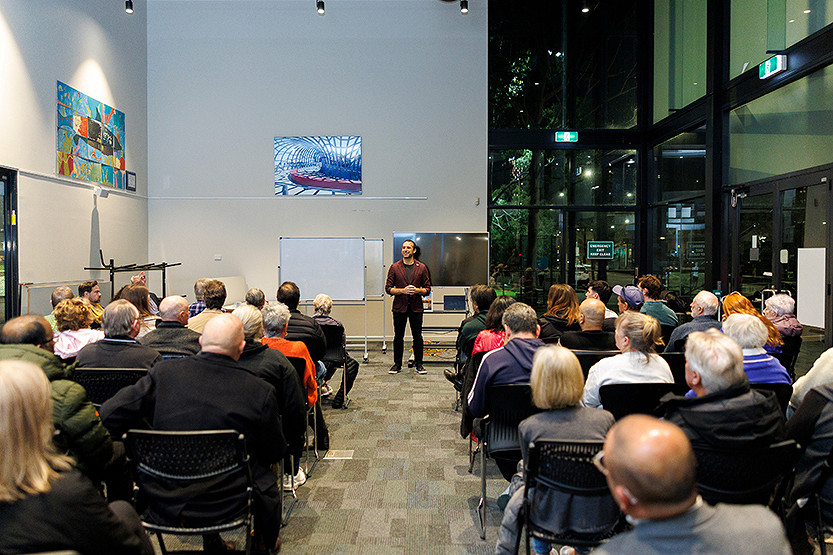
Successful Community 3008 Forum
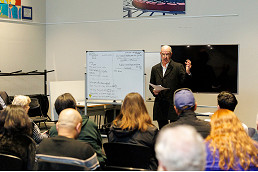
Community 3008 conducted another successful forum in July with many residents attending. They got to discuss concerns and ideas with representatives from Development Victoria, City of Melbourne, Parks Victoria, the AFL and Friends of Moonee Ponds Creek.
Read More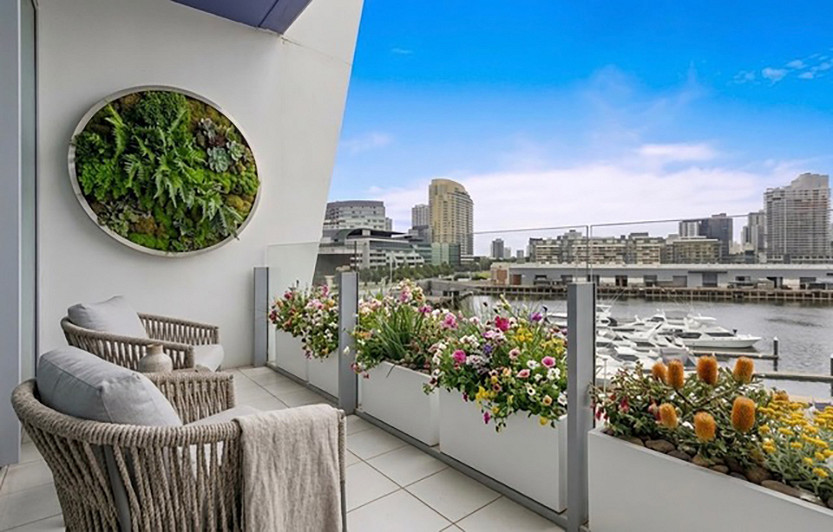
Greening Docklands
We welcome the City of Melbourne’s recent call for Melburnians to join in the mission to create a garden city.
Read More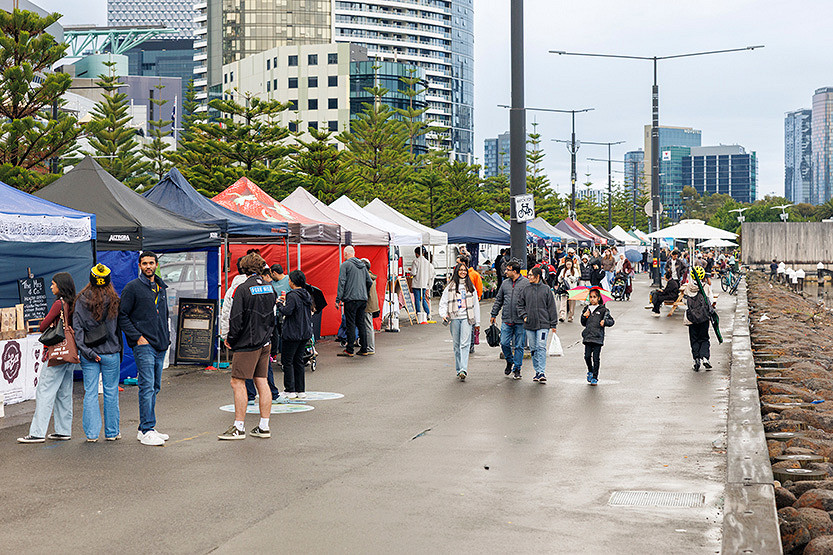
Docklands needs a budget that plans for the community we are becoming
Docklands is no longer a future suburb. It is a living, growing and maturing community.
Read More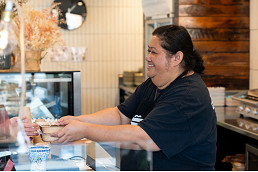
Meals with Impact launches free Docklands food market
Renewed push to reclaim Moonee Ponds Creek in Docklands

 Download the Latest Edition